Aspiration Pneumonia
History
- Witnessed aspiration event: Ask about choking, coughing, or vomiting episodes — though many episodes are unwitnessed [1]
- Symptom onset: Typically hours to a few days after a sentinel event; anaerobic aspiration may present subacutely [1]
- Cough (productive), dyspnea, fever, pleuritic chest pain
- Timing: Acute onset in most cases; subacute/indolent course suggests anaerobic infection or lung abscess [1]
- Triggers: Recent general anesthesia, sedation, alcohol intoxication, seizure, vomiting, tube feeding, recent stroke [1]
- Swallowing difficulty: Ask about dysphagia, choking on food/liquids, nasal regurgitation, drooling
- Important negatives: Distinguish from chemical pneumonitis (gastric acid aspiration) — symptoms may resolve within 24–48 hours without antibiotics [2-3]
Alarm Features
- Respiratory failure / rapidly progressive hypoxemia → consider ARDS from massive aspiration [1][4]
- Hemodynamic instability (hypotension, tachycardia) → sepsis/septic shock
- Necrotizing pneumonia or lung abscess — foul-smelling sputum, failure to improve on antibiotics [1]
- Empyema — persistent fever, loculated pleural effusion
- Bilateral symmetric infiltrates after choking/anesthesia → consider negative-pressure pulmonary edema [1]
- Recurrent aspiration events — suggests unaddressed underlying dysphagia or structural pathology
Medications
Medications that increase aspiration risk
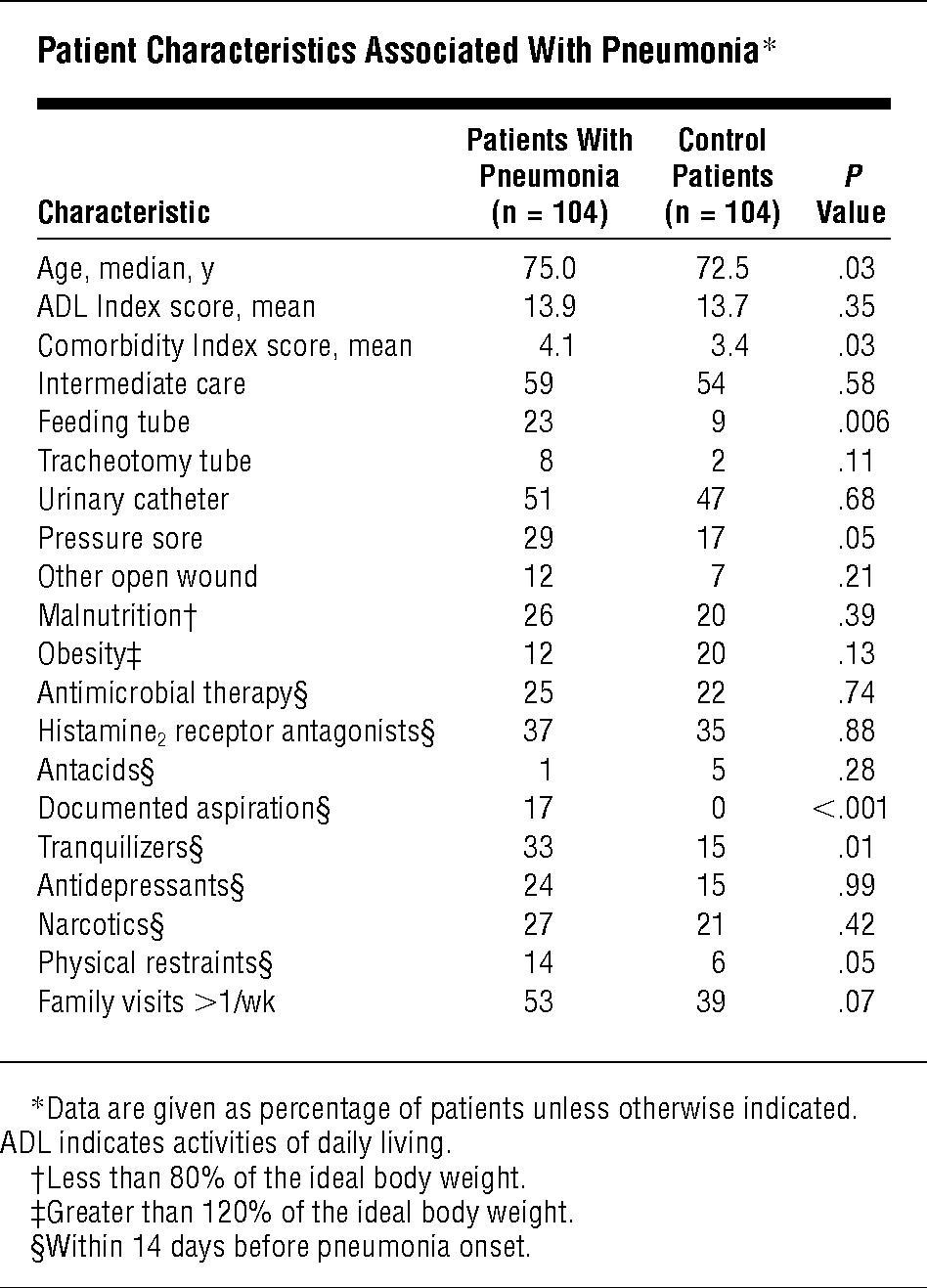
- Antipsychotics (typical and atypical) — aOR 1.5 for aspiration pneumonia in hospitalized patients [1][5]
- Benzodiazepines and sedatives — impair protective reflexes [6]
- Opioids/narcotics — suppress cough reflex and consciousness [1]
- Anticholinergics — esophageal hypomotility, dry mouth [7]
- Proton pump inhibitors — gastric colonization with pathogenic organisms; association with CAP is debated (possible protopathic bias) [6][8]
- General anesthetic agents [1]
Treatment antibiotics (see Treatment Plan section for full details):
- Community-acquired: Ampicillin-sulbactam, ertapenem, or a respiratory fluoroquinolone [1]
- Specific anti-anaerobic therapy (e.g., clindamycin, metronidazole) is generally not needed unless lung abscess, necrotizing pneumonia, or severe periodontal disease is present [1-2][9]
- Avoid clindamycin when possible due to C. difficile risk [2]
Contraindicated/caution
Diet
- NPO initially if active aspiration risk or pending swallowing evaluation
- Thickened liquids and mechanical soft diet preferred over thin liquids and pureed food in patients with dysphagia [1]
- Small bites, fully chew, small frequent meals, sit upright during and 30 minutes after meals [10]
- Chin-tuck maneuver and head turned to one side during feeding for oropharyngeal dysphagia [1]
- Semirecumbent positioning (30–45°) during and after enteral feeding [1][11]
- Long-term: Address malnutrition — supplemental nutrition combined with oral care reduced pneumonia frequency in one study [1]
Review of Systems
- Pulmonary: Cough (productive vs. dry), dyspnea, wheezing, hemoptysis, pleuritic chest pain
- GI: Dysphagia, odynophagia, GERD symptoms, nausea/vomiting, abdominal distension
- Neurologic: Altered mental status, focal deficits (stroke), tremor/rigidity (Parkinson's), cognitive decline (dementia), seizure history
- Constitutional: Fever, chills, night sweats, weight loss, fatigue
- ENT: Voice changes (hoarseness, wet/gurgling voice), drooling, nasal regurgitation
Collateral History and Family History
- Collateral: Witnessed aspiration events, baseline functional status, feeding method (oral vs. tube), prior swallowing evaluations, nursing home/institutional care level
- Medication reconciliation: Sedatives, antipsychotics, opioids — often prescribed in institutional settings [5-6]
- Family history: Neurodegenerative diseases (Parkinson's, ALS, MS), stroke, esophageal disorders
- Social context: Alcohol use (impairs consciousness and cough), smoking, dentition status, oral hygiene practices, level of independence with ADLs
Risk Factors
- Oropharyngeal dysphagia — OR 11.9 for pneumonia in elderly patients [1]
- Neurologic disease: Stroke (especially with ICU-level severity), dementia, Parkinson's disease, MS, seizures [1][12]
- Impaired consciousness: Drug overdose, alcohol intoxication, general anesthesia, sedation [1]
- Poor oral hygiene / severe periodontal disease — increases pathogenic oral colonization [13-14]
- Enteral tube feeding — especially with gastric dysmotility and altered mental status [1]
- Institutional residence (nursing home, long-term care) [15-16]
- Bedridden status, malnutrition, underweight [12][16]
- GERD / esophageal motility disorders / esophageal stricture [1]
- Head and neck cancer, esophageal cancer [1]
- Recent extubation — dysphagia identified in ≥20% of extubated patients [1]
- Male sex, advanced age [16-17]
Differential Diagnosis
- Chemical pneumonitis (aspiration of gastric acid, pH <2.5) — acute onset within hours, may resolve in 24–48 hours without antibiotics; distinguished from bacterial aspiration pneumonia [1][3]
- Community-acquired pneumonia (non-aspiration) — significant overlap; aspiration pneumonia exists on a continuum with CAP [1]
- Negative-pressure pulmonary edema — bilateral symmetric infiltrates after choking, near-drowning, or post-anesthesia airway obstruction [1]
- Lung abscess — subacute course, foul-smelling sputum, cavitary lesion on imaging
- Empyema — persistent fever, loculated effusion
- Pulmonary embolism — especially in bedridden/immobile patients
- Cardiogenic pulmonary edema — bilateral infiltrates, elevated BNP, clinical context
- Foreign body aspiration — acute onset, unilateral wheezing, history of choking
- Exacerbation of COPD or asthma — if aspiration affects airways rather than parenchyma
Past Medical History
- Prior aspiration events or recurrent pneumonias
- Stroke (especially recent), neurodegenerative disease, seizure disorder
- Head/neck/esophageal surgery or radiation
- GERD, hiatal hernia, esophageal dysmotility
- Tracheostomy, prior intubation/mechanical ventilation
- Dental history — edentulous status (lower risk), severe periodontal disease (higher risk) [3]
- Chronic lung disease (COPD, bronchiectasis)
- Diabetes mellitus [17]
Physical Exam
Vital signs
- Fever (>38°C) or hypothermia (<36°C)
- Tachypnea (RR >20), tachycardia, hypoxemia (SpO₂ <94%)
- Hypotension if septic
Focused exam
- Lungs: Crackles/rales (especially over dependent segments — right lower lobe most common), rhonchi, decreased breath sounds, dullness to percussion, egophony, bronchial breath sounds over consolidation [18-19]
- Oropharynx: Dentition status, periodontal disease, oral hygiene, presence of food/secretions, wet/gurgling voice
- Neurologic: Mental status (GCS), gag reflex, cough strength, signs of stroke or neurodegenerative disease, swallowing assessment at bedside
- Abdomen: Distension (ileus, gastroparesis), NG/PEG tube in situ
- General: Nutritional status, cachexia, functional status, level of alertness
Lab Studies
- CBC with differential — leukocytosis (WBC >10,000) or leukopenia (<4,000)
- BMP — assess renal function (aspiration pneumonia patients often have worse renal function), electrolytes, serum sodium [1]
- Lactate — if sepsis suspected
- Blood cultures × 2 — if severe illness, ICU admission, or concern for bacteremia
- Sputum culture and Gram stain — if obtainable; anaerobes are rarely isolated in modern studies [2][16]
- Procalcitonin — may help guide antibiotic duration, but does not reliably distinguish aspiration pneumonia from chemical pneumonitis [1]
- ABG — if significant hypoxemia or respiratory distress
- BNP/NT-proBNP — if cardiogenic pulmonary edema is in the differential
Imaging
First-line: Chest X-ray (PA and lateral)
- Infiltrates in gravity-dependent segments: right lower lobe (most common), superior segments of lower lobes, posterior segments of upper lobes (if supine during aspiration) [1]
- Bronchopneumonia pattern more common than lobar consolidation (68% vs. 15%) [1]
- CXR may be negative early — negative in 28% of patients with CT-confirmed pneumonia [1]
CT chest
- Consider if CXR is negative but clinical suspicion remains high
- Better sensitivity for early infiltrates, cavitation, abscess, empyema
- Gold standard for identifying necrotizing pneumonia or lung abscess
When imaging is unnecessary
Special Tests
- Bedside swallowing assessment — screen all at-risk patients (post-stroke, post-extubation, neurologic disease) [1][20]
- Modified barium swallow (videofluoroscopic swallowing study) — gold standard for evaluating aspiration risk and guiding diet modifications [1]
- Fiberoptic endoscopic evaluation of swallowing (FEES) — alternative to videofluoroscopy, can be done at bedside
- CURB-65 or PSI/PORT score — for severity stratification and disposition decisions in pneumonia
- Point-of-care ultrasound (POCUS) — lung consolidation, pleural effusion, B-lines; increasingly used in the ED
ECG
- Obtain ECG if tachycardia, hypotension, or chest pain to rule out acute coronary syndrome or arrhythmia
- No specific ECG findings for aspiration pneumonia
- Sinus tachycardia is the most common finding
- Rule out atrial fibrillation (common in elderly patients with pneumonia, may be new-onset)
- Consider right heart strain pattern if PE is in the differential
Assessment
Aspiration pneumonia is a lower respiratory tract infection caused by macroaspiration of colonized oropharyngeal or gastric contents, accounting for 5–15% of CAP and carrying significantly higher mortality than non-aspiration CAP (29.4% vs. 11.6%). [1] The diagnosis is clinical, based on the triad of aspiration risk factors, compatible symptoms, and infiltrates in dependent lung segments. [1]
Key clinical pearls:
- Many aspiration events are unwitnessed — infer the diagnosis from risk factors + dependent-segment infiltrates [3]
- Chemical pneumonitis vs. aspiration pneumonia: Chemical pneumonitis (gastric acid, pH <2.5) presents acutely and often resolves in 24–48 hours; aspiration pneumonia is a bacterial infection requiring antibiotics [1][3]
- Modern microbiology shows gram-negative aerobes (E. coli, Klebsiella, Pseudomonas) predominate over anaerobes, especially in severe and healthcare-associated cases [1][16]
- Complications: lung abscess, necrotizing pneumonia, empyema, ARDS
Treatment Plan
Initial stabilization
- Airway management — suction oropharynx, position patient upright, supplemental O₂ to target SpO₂ ≥94%
- IV access, fluid resuscitation if septic
- NPO until swallowing evaluation
Antibiotic therapy (5–7 days for uncomplicated cases; longer for abscess/empyema): [1]
A large retrospective study (n = 548,972) found ampicillin-sulbactam was associated with lower in-hospital mortality (14.6% vs. 16.4%) and lower C. difficile rates compared to third-generation cephalosporins for aspiration pneumonia. [22]
Prevention bundle (for at-risk patients): [1][20]
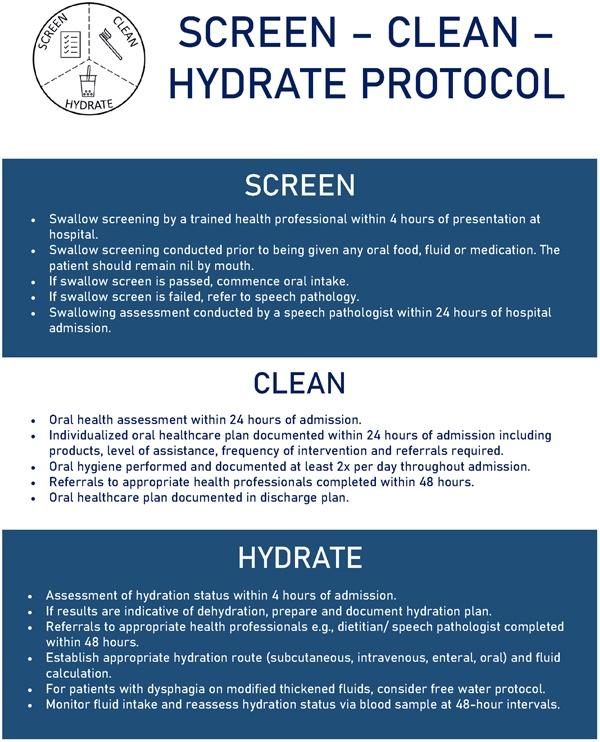
- Oral care with tooth brushing ≥ daily
- Dysphagia screening (post-stroke, post-extubation)
- Semirecumbent positioning (30–45°)
- Discontinue non-indicated PPIs
- Early mobilization
- Avoid unnecessary sedatives and antipsychotics
- Consider ACE inhibitors for blood pressure control post-stroke [1]
Disposition
Admission criteria
- Hypoxemia (SpO₂ <90% on room air), respiratory distress
- Hemodynamic instability / sepsis
- Inability to tolerate oral medications or maintain hydration
- Significant comorbidities or poor functional status
- Concern for lung abscess, empyema, or necrotizing pneumonia
- Ongoing aspiration risk without safe discharge plan
ICU admission
- Mechanical ventilation or vasopressor requirement
- ≥3 ATS/IDSA minor severity criteria for severe CAP
Observation
Discharge criteria
- Clinically improving, afebrile ≥24 hours
- Tolerating oral intake and medications
- Stable oxygenation on room air
- Safe swallowing plan in place
- Reliable follow-up arranged
Specialist consultation triggers
- Speech-language pathology — all patients with suspected dysphagia
- Pulmonology — recurrent aspiration, lung abscess, empyema
- GI — suspected esophageal pathology, GERD-related aspiration
- ENT/Surgery — structural airway or esophageal abnormalities
Follow Up / Return Precautions
Follow-up timing
- Primary care or pulmonology follow-up within 1–2 weeks
- Repeat CXR at 6–8 weeks if concern for underlying malignancy or non-resolving infiltrate (especially in smokers or older adults)
- Speech/swallowing therapy follow-up for ongoing dysphagia management
Return precautions — instruct patient/caregiver to return for:
- Worsening shortness of breath or new oxygen requirement
- High or persistent fever despite antibiotics
- Inability to keep down fluids or medications
- Confusion or altered mental status
- Chest pain
- Coughing up blood
Patient/caregiver counseling
- Aspiration pneumonia has a higher mortality than typical pneumonia — emphasize adherence to swallowing precautions [1]
- Good oral hygiene (daily tooth brushing) reduces pathogenic oral colonization [1][14]
- Upright positioning during and after meals
- Avoid alcohol and sedating medications when possible
- Expected recovery: clinical improvement typically within 48–72 hours on appropriate antibiotics; full radiographic resolution may take weeks
Images
References
1. Aspiration Pneumonia. — Mandell LA, Niederman MS. The New England Journal of Medicine. 2019.
2. Diagnosis and Treatment of Adults With Community-Acquired Pneumonia. An Official Clinical Practice Guideline of the American Thoracic Society and Infectious Diseases Society of America. — Metlay JP, Waterer GW, Long AC, et al. American Journal of Respiratory and Critical Care Medicine. 2019.
3. Aspiration Pneumonitis and Aspiration Pneumonia. — Marik PE. The New England Journal of Medicine. 2001.
4. Aspiration Syndromes and Associated Lung Injury: Incidence, Pathophysiology and Management. — Košutova P, Mikolka P. Physiological Research. 2021.
5. Antipsychotics and the Risk of Aspiration Pneumonia in Individuals Hospitalized for Nonpsychiatric Conditions: A Cohort Study. — Herzig SJ, LaSalvia MT, Naidus E, et al. Journal of the American Geriatrics Society. 2017.
6. Medications to Modify Aspiration Risk: Those That Add to Risk and Those That May Reduce Risk. — Gonçalves-Pereira J, Mergulhão P, Froes F. Seminars in Respiratory and Critical Care Medicine. 2024.
7. Pneumonia Risk, Antipsychotic Dosing, and Anticholinergic Burden in Schizophrenia. — Luykx JJ, Correll CU, Manu P, et al. JAMA Psychiatry. 2024.
8. The Risks and Benefits of Long-Term Use of Proton Pump Inhibitors: Expert Review and Best Practice Advice From the American Gastroenterological Association. — Freedberg DE, Kim LS, Yang YX. Gastroenterology. 2017.
9. ERS/ESICM/ESCMID/ALAT Guidelines for the Management of Severe Community-Acquired Pneumonia. — Martin-Loeches I, Torres A, Nagavci B, et al. The European Respiratory Journal. 2023.
10. Community-Acquired Pneumonia: A Review. — Vaughn VM, Dickson RP, Horowitz JK, Flanders SA. The Journal of the American Medical Association. 2024.
11. Guidelines for the Provision and Assessment of Nutrition Support Therapy in the Adult Critically Ill Patient: Society of Critical Care Medicine (SCCM) and American Society for Parenteral and Enteral Nutrition (A.S.P.E.N.). — McClave SA, Taylor BE, Martindale RG, et al. JPEN. Journal of Parenteral and Enteral Nutrition. 2016.
12. Risk Factors Associated to Aspiration Pneumonia in Adults and Elderly Patients: A Scoping Review. — Rossi CS, da Silva RD, Ribeiro M, et al. Dysphagia. 2026.
13. Aspiration Pneumonia: A Renewed Perspective and Practical Approach. — Almirall J, Boixeda R, de la Torre MC, Torres A. Respiratory Medicine. 2021.
14. Oral Care Measures for Preventing Nursing Home-Acquired Pneumonia. — Cao Y, Liu C, Lin J, et al. The Cochrane Database of Systematic Reviews. 2022.
15. Epidemiology and Pathogenesis of Aspiration Pneumonia. — Almirall J, Boixeda R, de la Torre MC, Torres A. Seminars in Respiratory and Critical Care Medicine. 2024.
16. Aspiration Risk Factors, Microbiology, and Empiric Antibiotics for Patients Hospitalized With Community-Acquired Pneumonia. — Marin-Corral J, Pascual-Guardia S, Amati F, et al. Chest. 2021.
17. Risk Factors for Aspiration Pneumonia in Frail Older People: A Systematic Literature Review. — van der Maarel-Wierink CD, Vanobbergen JN, Bronkhorst EM, Schols JM, de Baat C. Journal of the American Medical Directors Association. 2011.
18. Community-Acquired Pneumonia. — Reyes LF, Conway Morris A, Serrano-Mayorga C, et al. Lancet. 2025.
19. Community-Acquired Pneumonia in Adults. — Bai AD, Loeb M. NEJM Evidence. 2025.
20. Prevention of Non-Ventilator-Associated Hospital-Acquired Pneumonia in Switzerland: A Type 2 Hybrid Effectiveness-Implementation Trial. — Wolfensberger A, Clack L, von Felten S, et al. The Lancet. Infectious Diseases. 2023.
21. Aspiration Pneumonia in Older Adults. — Makhnevich A, Feldhamer KH, Kast CL, Sinvani L. Journal of Hospital Medicine. 2019.
22. Ampicillin-Sulbactam Versus Third-Generation Cephalosporins in Aspiration Pneumonia: A Nationwide Retrospective Cohort Study. — Taniguchi J, Aso S, Matsui H, Fushimi K, Yasunaga H. Respiratory Medicine. 2025.
Figures
More from Deep Dive
Reviewed by Dr. Lucas Mastropaolo. SymptomDx is an educational tool for medical professionals — it does not replace clinical judgment. Verify all clinical data and drug dosages with authoritative sources.