Guillain-Barré Syndrome
Guillain-Barré syndrome is a rare, immune-mediated acute polyradiculoneuropathy and the most common cause of acute flaccid paralysis worldwide, with an incidence of 1–2 per 100,000 persons per year. [1-2] It is characterized by rapidly progressive, symmetric ascending weakness with hyporeflexia/areflexia, typically reaching nadir within 2–4 weeks. Even with treatment, ~5% of patients die and ~20% remain unable to walk independently at 6 months. [1][3]
History
- Key HPI: Ask about progressive weakness — onset, distribution (legs → arms → face), and rate of progression. Characterize numbness, tingling, paresthesias, and pain (often prominent, especially back/thigh pain early on). [2][4]
- Antecedent illness: Up to 76% report a preceding infection within 4 weeks — upper respiratory tract infection (35%), gastroenteritis (27%), or other viral illness. Specifically ask about diarrhea (Campylobacter), URI symptoms, and recent vaccinations or surgery. [1-2]
- Timing: Symptoms typically begin 1–6 weeks after the triggering event and progress over days to 4 weeks. [1-2]
- Functional impact: Can the patient walk unaided? Climb stairs? Swallow? Cough effectively? These determine treatment urgency. [5]
- Associated symptoms: Difficulty swallowing, facial droop (bilateral), diplopia, shortness of breath, urinary retention, constipation, orthostatic dizziness. [5-6]
Alarm Features
- Respiratory compromise: Dyspnea, inability to count to 20 in one breath, use of accessory muscles, paradoxical breathing — ~25% require mechanical ventilation. [2][7]
- Bulbar weakness: Dysphagia, drooling, weak cough → aspiration risk. [8]
- Rapid progression: Onset to inability to walk in <7 days predicts higher ventilation risk. [1][8]
- Autonomic instability: Labile blood pressure (swings >85 mmHg systolic), tachycardia/bradycardia, cardiac arrhythmias — can cause sudden cardiac arrest. [2][5]
- Bilateral facial weakness combined with limb weakness and areflexia. [8]
Medications
- Disease-modifying treatment:
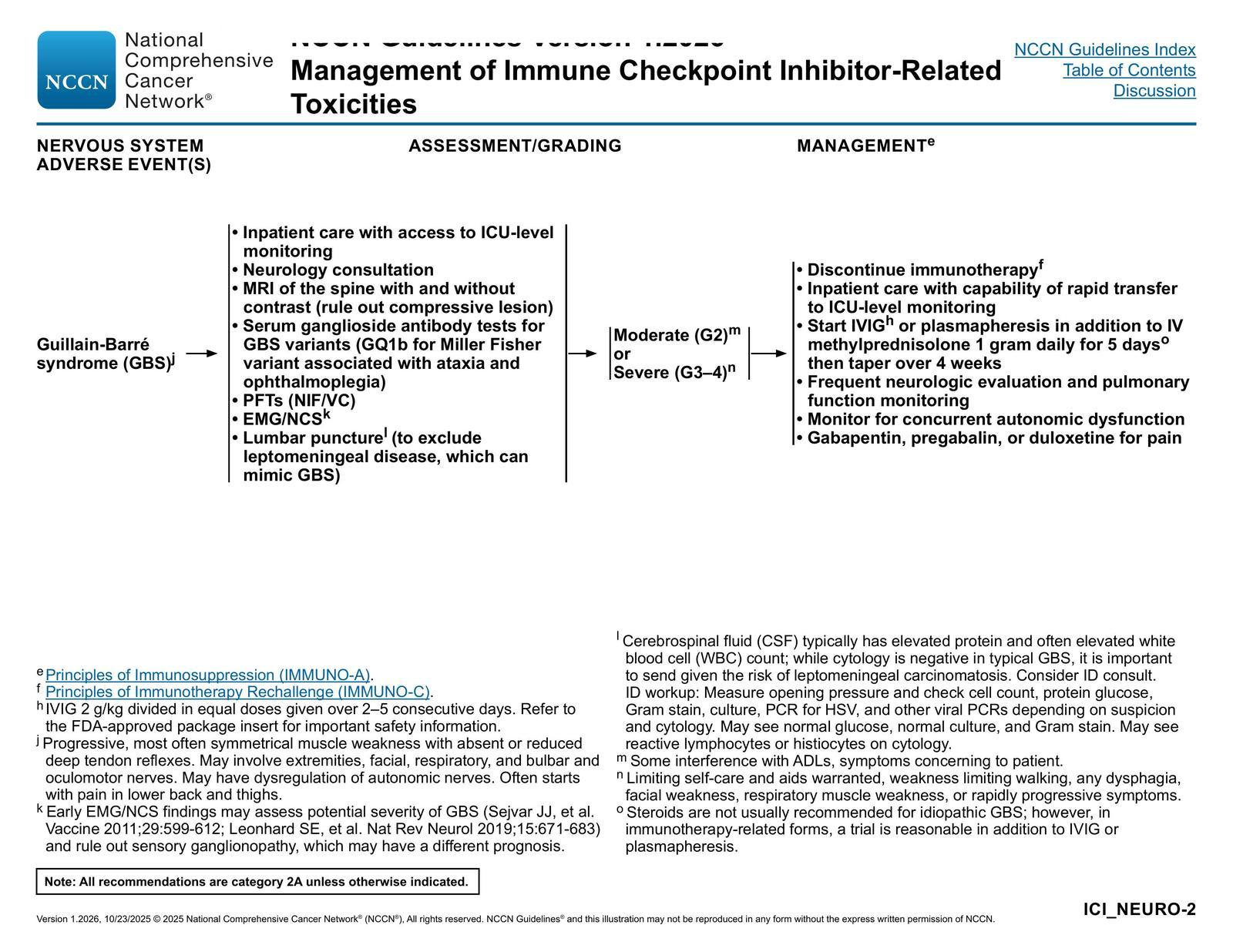
- Corticosteroids alone are NOT effective and are not recommended for idiopathic GBS. Exception: ICI-related GBS, where IV methylprednisolone 1 g/day × 5 days may be added. [4-5][7]
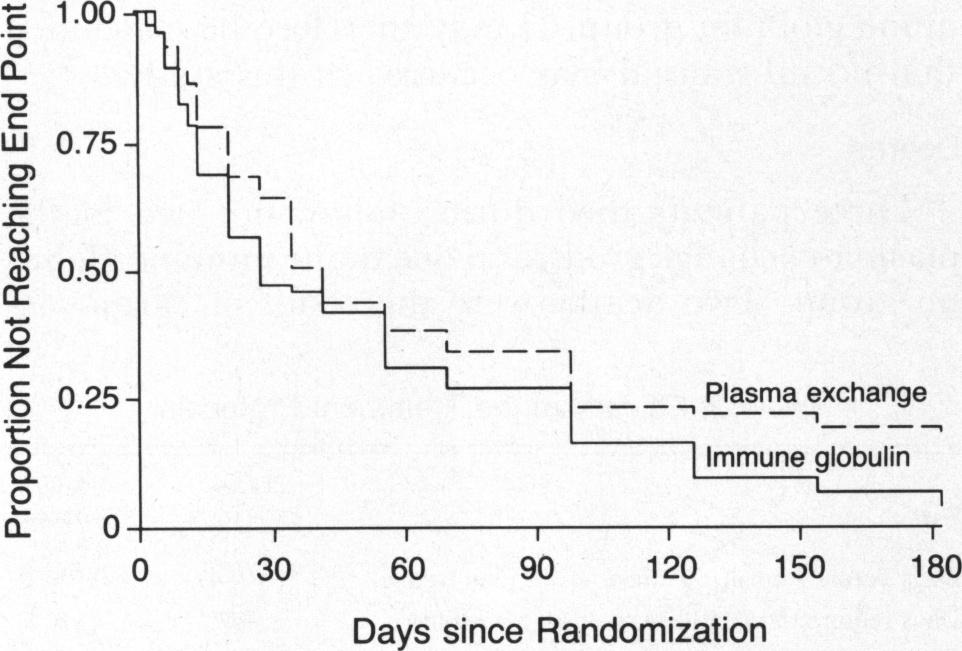
- Do NOT combine PLEX followed by IVIG (or vice versa) — no added benefit, and PLEX after IVIG removes the immunoglobulin. [1][7]
- Pain management: Gabapentin, pregabalin, or carbamazepine for neuropathic pain; NSAIDs for nociceptive pain. Avoid opioids when possible (respiratory depression risk, ileus). [4-5][9]
- Use vasoactive medications and morphine derivatives with caution due to autonomic lability. [5]
- DVT prophylaxis: Subcutaneous heparin + compression stockings in nonambulant patients. [2]
Diet
- Assess swallowing function early — patients with bulbar weakness are at high aspiration risk and may require NPO status with nasogastric tube feeding. [2]
- Ensure adequate nutrition; prolonged ICU stays lead to catabolic state.
- Monitor for ileus (autonomic dysfunction) — may require bowel regimen and parenteral nutrition in severe cases. [5][10]
- No specific dietary triggers or restrictions for GBS itself.
Review of Systems
- Neurologic: Weakness pattern (ascending vs. descending), numbness/tingling, facial droop, diplopia, difficulty speaking/swallowing.
- Respiratory: Dyspnea, orthopnea, weak cough, inability to take deep breaths.
- Cardiovascular: Palpitations, lightheadedness, syncope (autonomic dysfunction).
- GI: Constipation, abdominal distension (ileus), nausea.
- GU: Urinary retention or incontinence.
- Pain: Back pain, limb pain, paresthesias — pain is present in >50% and may precede weakness. [9]
Collateral History and Family History
- Confirm timeline of symptom onset and progression from family/witnesses.
- Ask about recent travel (exposure to endemic infections like Zika, dengue). [1]
- Recent illness contacts, food exposures (undercooked poultry → Campylobacter). [2]
- Family history: GBS is not hereditary, but ask about autoimmune conditions and prior episodes of weakness.
- Prior GBS episodes (recurrence rate ~2–5%) — if recurrent, consider acute-onset CIDP. [11]
Risk Factors
- Preceding infections (strongest risk factor):
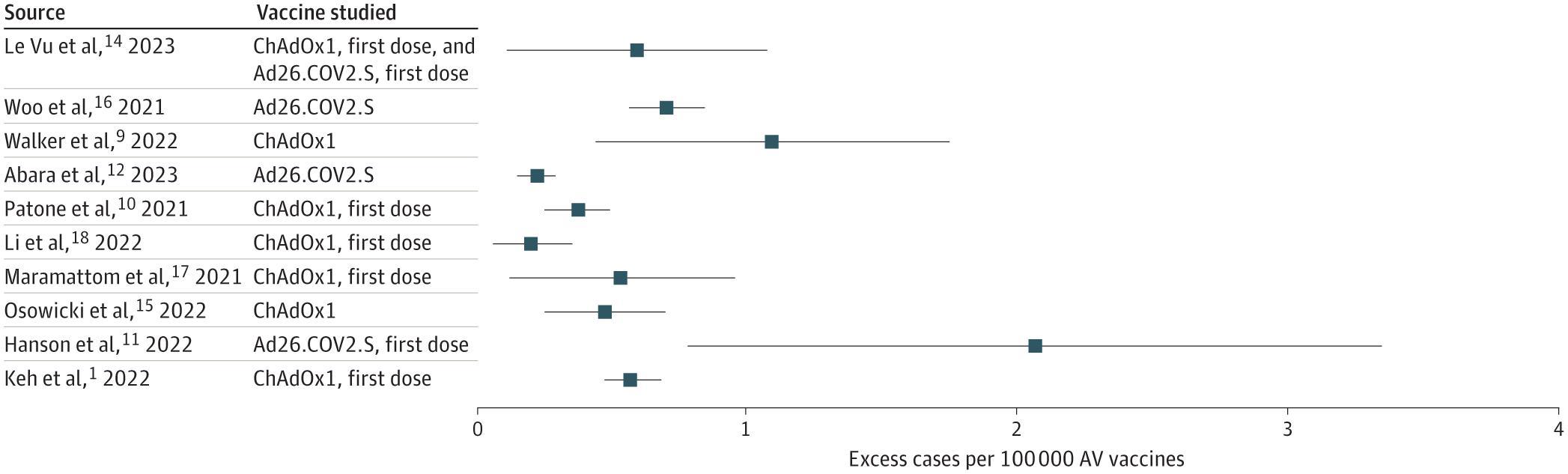
- Vaccinations: Very rare association; 1976 swine flu vaccine had highest risk (~1/100,000). Current influenza vaccines carry risk <1 per million. Ad26.COV2.S (Janssen) COVID vaccine showed a signal. [1][12-13]
- Surgery and immune checkpoint inhibitor therapy. [1]
- Demographics: Slightly more common in males (M:F ~1.78:1); incidence increases 20% per decade of age. [2]
- Comorbidities: Underlying autoimmune disease, recent surgical trauma. [14]
Differential Diagnosis
- Cannot-miss diagnoses:
- Spinal cord compression/transverse myelitis — upper motor neuron signs, sensory level, urinary retention prominent early. [2]
- Botulism — descending paralysis, pupil involvement, no sensory symptoms.
- Myasthenia gravis — fluctuating weakness, fatigability, preserved reflexes.
- Stroke (brainstem) — asymmetric, upper motor neuron signs. [15]
- Important mimics:
- Hypokalemia — commonly overlooked; check electrolytes early. [2]
- Acute myopathy/rhabdomyolysis — preserved reflexes, elevated CK.
- Poliomyelitis/acute flaccid myelitis — asymmetric, pure motor, CSF pleocytosis.
- Tick paralysis — ascending paralysis, search for tick.
- Critical illness polyneuropathy — ICU setting.
- Toxic neuropathies (heavy metals, organophosphates), porphyria, Lyme disease, diphtheria, vasculitis. [2][16]
- Distinguishing features of GBS: Symmetric ascending weakness + areflexia + distal paresthesias + antecedent illness + albuminocytological dissociation. [2][5]
Past Medical History
- Prior episodes of GBS or CIDP (if progression >8 weeks, reconsider acute-onset CIDP). [11]
- History of autoimmune diseases.
- Recent surgeries or immunizations.
- Immunocompromised state (HIV — can present with GBS but CSF may show pleocytosis).
- Chronic illnesses affecting respiratory reserve (COPD, obesity) — lower threshold for ICU monitoring.
Physical Exam
- Vital signs: Heart rate and blood pressure lability (autonomic dysfunction); respiratory rate, oxygen saturation. [5]
- Motor: Symmetric weakness — grade with MRC sum score (0–60). Typically proximal and distal, legs > arms initially. Check neck flexion strength. [5][8]
- Reflexes: Areflexia or hyporeflexia is the hallmark. Note: AMAN variant may have preserved or even brisk reflexes. [17]
- Sensory: Distal paresthesias, stocking-glove sensory loss; sensory exam may be normal in pure motor variants.
- Cranial nerves: Bilateral facial weakness (~50%), bulbar weakness (CN IX/X — gag reflex, palatal elevation, voice quality), ophthalmoplegia (Miller Fisher variant). [1]
- Respiratory: Count to 20 in one breath, assess cough strength, look for paradoxical abdominal breathing.
- Focused maneuvers: Single-breath count test, neck flexion against resistance (early predictor of respiratory failure). [8]
Lab Studies
- Lumbar puncture/CSF analysis: Classic finding is albuminocytological dissociation (elevated protein, normal WBC <10 cells/μL). CSF protein is often normal in the first week but elevated in >90% by week 2. Pleocytosis should raise concern for HIV, Lyme, CMV, or leptomeningeal disease. [2][5]
- Basic labs: CBC, CMP (rule out hypokalemia, hyponatremia/SIADH), CK (normal in GBS; elevated suggests myopathy), LFTs, ESR/CRP.
- Infectious workup: Campylobacter serology, CMV/EBV titers, Mycoplasma, HIV, Lyme (if endemic area).
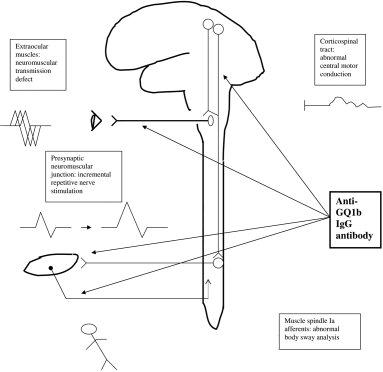
- Anti-ganglioside antibodies: Anti-GM1 (AMAN), anti-GQ1b (Miller Fisher syndrome) — helpful but not required for diagnosis. [4][18]
- Pulmonary function: Serial NIF (negative inspiratory force) and FVC (forced vital capacity) — the most critical monitoring parameters. [4-5]
Imaging
- MRI spine with and without contrast: First-line to rule out compressive myelopathy or other structural lesions. May show cauda equina/nerve root enhancement (supportive but not specific for GBS). [4][11]
- MRI brain: Consider if Miller Fisher syndrome or Bickerstaff brainstem encephalitis is suspected. [11]
- Chest X-ray: Baseline and if respiratory compromise suspected (atelectasis, aspiration).
- Imaging is not required for diagnosis in classic presentations but is important to exclude mimics. [11]
Special Tests
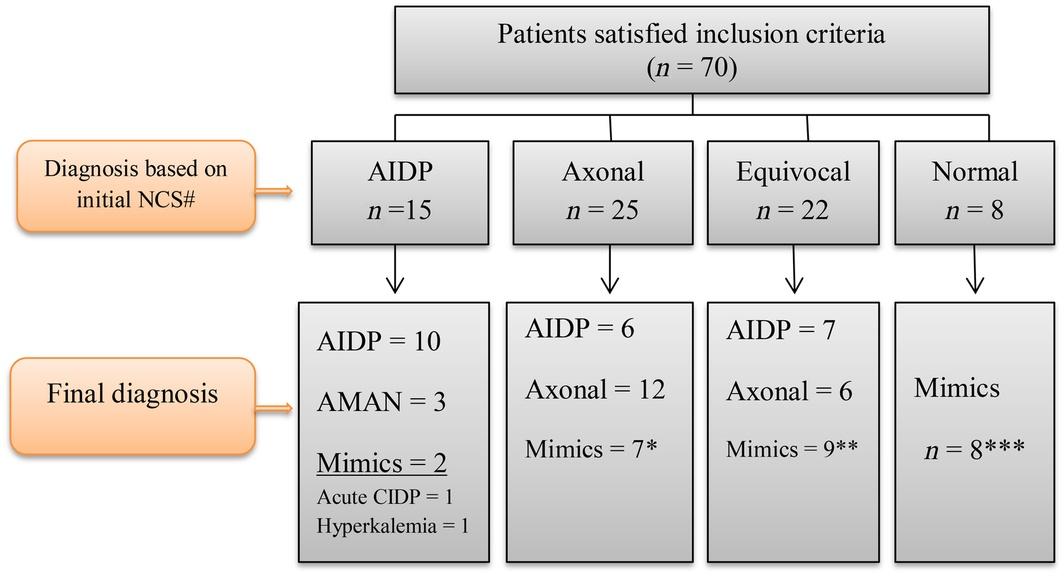
- Nerve conduction studies (NCS)/EMG: Confirms peripheral neuropathy and classifies subtype (AIDP vs. AMAN vs. AMSAN). May be normal in the first few days — repeat at 2 weeks if initially equivocal. Findings include prolonged distal latencies, slowed conduction velocities, conduction block (AIDP), or reduced CMAP amplitudes (axonal). [1][15]
- Pulmonary function tests: Serial FVC and NIF every 2–4 hours during progressive phase. FVC <20 mL/kg → consider ICU; FVC <15 mL/kg → intubation criteria. [2]
- Prognostic scoring systems:
- Brighton Collaboration criteria: Standardized diagnostic certainty levels (1–4). [1]
ECG
- Obtain ECG on all patients — autonomic dysfunction causes cardiac complications in ~50%. [20]
- Findings to watch for:
- Continuous cardiac monitoring is recommended during the acute progressive phase, especially in patients with severe weakness or autonomic symptoms. [5]
Assessment
- GBS is a clinical diagnosis supported by CSF and electrodiagnostic findings. Only 25–30% are diagnosed on the initial healthcare visit. [23]
- Severity stratification: Use the GBS disability scale (0 = healthy, 6 = dead). Patients scoring ≥3 (unable to walk unaided) require immunotherapy. [5]
- Subtypes: AIDP (most common in Western countries), AMAN (common in Asia, associated with Campylobacter), AMSAN, Miller Fisher syndrome (ophthalmoplegia + ataxia + areflexia). [1]
- Atypical presentations to recognize: Paraparetic GBS (legs only), pharyngeal-cervical-brachial variant, facial diplegia with paresthesias, pure sensory variant, autonomic-predominant. [1]
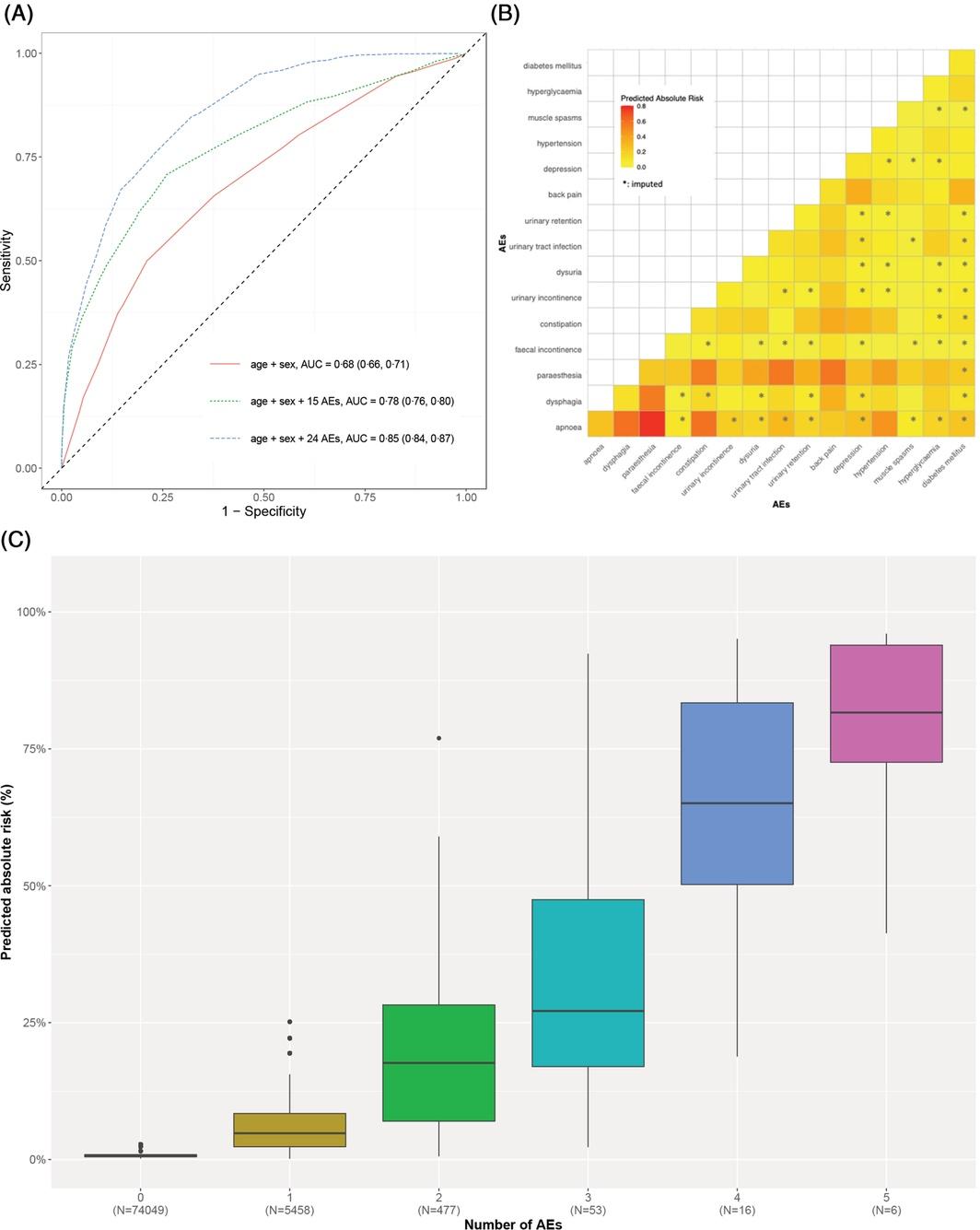
- Complications: Respiratory failure (~25%), autonomic instability (~20% serious), DVT/PE, aspiration pneumonia, neuropathic pain, SIADH, PRES. [1-2][10]
Treatment Plan
Initial stabilization
- ABCs — assess airway and breathing immediately. Intubate if meeting major criteria (FVC <15 mL/kg, PaCO₂ >48 mmHg, PaO₂ <56 mmHg) or ≥2 minor criteria (inefficient cough, impaired swallowing, atelectasis). [2]
- Continuous cardiac and hemodynamic monitoring.
Immunotherapy (for patients who cannot walk unaided, ideally within 2 weeks of onset):
- IVIG 0.4 g/kg/day × 5 days (total 2 g/kg) — most commonly used. [2][5]
- OR Plasma exchange: 5 sessions over 2 weeks. [2][5]
- Do not combine sequentially. [7]
- Mild/ambulatory patients may be monitored without immunotherapy. [5]
Supportive care
- DVT prophylaxis (subcutaneous heparin + compression stockings). [2]
- Pain management: Gabapentin 300–600 mg TID or pregabalin; carbamazepine; avoid opioids if possible. [4][9]
- Bladder catheterization for urinary retention; bowel regimen for constipation. [2]
- Eye care (corneal protection if facial weakness). [5]
- Early physical/occupational therapy consultation.
- Psychological support — GBS is terrifying for patients who are often cognitively intact. [5]
Disposition
- All suspected GBS patients should be admitted for monitoring until no further progression is confirmed. [2]
- ICU admission criteria: Rapidly progressive weakness, FVC <20 mL/kg, bulbar dysfunction, autonomic instability, need for or anticipated need for mechanical ventilation. [1-2]
- Step-down/floor: Stable patients past nadir with adequate respiratory function and no autonomic instability.
- Neurology consultation: Mandatory for all suspected cases. [4][23]
- Discharge criteria: Stable or improving strength, adequate respiratory function (FVC >25 mL/kg), able to swallow safely, pain controlled, rehabilitation plan in place.
- Consider acute-onset CIDP if progression continues beyond 8 weeks or if there are ≥3 treatment-related fluctuations. [11]
Follow Up / Return Precautions
- Follow-up: Neurology follow-up within 1–2 weeks of discharge; repeat NCS at 4–6 weeks to assess recovery trajectory and confirm subtype. [1]
- Rehabilitation: Most patients benefit from inpatient or outpatient rehabilitation. Recovery typically takes weeks to months; some patients improve for up to 1–2 years. [1]
- Return precautions — instruct patients/families to return immediately for:
- Expected course: 77% walk independently at 6 months, 81% at 12 months. Residual fatigue is common (~67%). Neuropathic pain may persist. [1][7][24]
- Vaccination counseling: Future vaccinations are generally safe; the risk of GBS from natural infection exceeds the risk from vaccination. Shared decision-making is appropriate for influenza vaccination in patients with prior GBS. [1][13]
Images
References
1. Guillain-Barré Syndrome. — Shahrizaila N, Lehmann HC, Kuwabara S. Lancet. 2021.
2. Guillain–Barré Syndrome. — Yuki N, Hartung HP. The New England Journal of Medicine. 2012.
3. Guillain-Barré Syndrome. — Leonhard SE, Papri N, Querol L, et al. Nature Reviews. Disease Primers. 2024.
4. Management of Immune Checkpoint Inhibitor-Related Toxicities. — Updated 2025-10-23. National Comprehensive Cancer Network.
5. Clinical Features, Pathogenesis, and Treatment of Guillain-Barré Syndrome. — van Doorn PA, Ruts L, Jacobs BC. The Lancet. Neurology. 2008.
6. Clinical Presentation and Symptomatology of Guillain-Barré Syndrome: A Literature Review. — Elendu C, Osamuyi EI, Afolayan IA, et al. Medicine. 2024.
7. Practice Parameter: Immunotherapy for Guillain-Barré Syndrome: Report of the Quality Standards Subcommittee of the American Academy of Neurology. — Hughes RA, Wijdicks EF, Barohn R, et al. Neurology. 2003.
8. Predictors of Respiratory Failure in Guillain-Barré Syndrome: A 22 year Cohort Study From a Single Italian Centre. — Galassi G, Mazzoli M, Ariatti A, et al. European Journal of Neurology. 2024.
9. Guillain-Barré Syndrome. — Walling AD, Dickson G. American Family Physician. 2013.
10. Dysautonomia in Guillain-Barré Syndrome: Prevalence, Clinical Spectrum, and Outcomes. — Chakraborty T, Kramer CL, Wijdicks EFM, Rabinstein AA. Neurocritical Care. 2020.
11. ACR Appropriateness Criteria® Demyelinating Diseases. — Expert Panel on Neurologic Imaging, Kalnins A, Lewis LM, et al. Journal of the American College of Radiology : JACR. 2026.
12. Reports of Guillain-Barré Syndrome After COVID-19 Vaccination in the United States. — Abara WE, Gee J, Marquez P, et al. JAMA Network Open. 2023.
13. Guillain-Barré Syndrome Following Influenza Vaccination: A 15-Year Nationwide Population-Based Case-Control Study. — Levison LS, Thomsen RW, Andersen H. European Journal of Neurology. 2022.
14. Analysis of the Incidence Status and Risk Factors for Immune-Mediated Neuropathies: A Single-Center Case-Control Study. — Wang Y, Feng Z, Liu L, Wan M. Frontiers in Neurology. 2025.
15. Utilizing nerve conduction studies to identify very early Guillain–Barré syndrome and distinguish it from mimics in emergency settings. — John T, Mathew AE. Muscle & Nerve. 2024.
16. To Be, or Not to Be… Guillain-Barré Syndrome. — Florian IA, Lupan I, Sur L, Samasca G, Timiș TL. Autoimmunity Reviews. 2021.
17. Axonal Guillain-Barré Syndrome: Concepts and Controversies. — Kuwabara S, Yuki N. The Lancet. Neurology. 2013.
18. Non-Icans Neurological Complications After CAR T-Cell Therapies: Recommendations From the EBMT Practice Harmonisation and Guidelines Committee. — Graham CE, Velasco R, Alarcon Tomas A, et al. The Lancet. Oncology. 2025.
19. Utility of the "Modified Erasmus GBS Respiratory Insufficiency Score" in Axonal and Demyelinating Guillain-Barré Syndrome. — Sekiguchi Y, Misawa S, Morooka M, et al. Journal of the Peripheral Nervous System : JPNS. 2026.
20. Cardiovascular Complications and Its Relationship With Functional Outcomes in Guillain-Barré Syndrome. — Gupta S, Verma R, Sethi R, et al. QJM : Monthly Journal of the Association of Physicians. 2020.
21. Autonomic Peripheral Neuropathy. — Freeman R. Lancet. 2005.
22. Severe Bradycardia in a Teenager as the Initial Manifestation for Guillain Barré Syndrome: A Case Report. — Bonilla C, Alvarez-Olmos MI, Uribe C, Fernández-Sarmiento J. BMC Pediatrics. 2022.
23. High Risk and Low Prevalence Diseases: Guillain-Barré Syndrome. — Madden J, Spadaro A, Koyfman A, Long B. The American Journal of Emergency Medicine. 2024.
24. Neuroprognostication: Guillain-Barré Syndrome. — Traub R, Chaudhry V. Seminars in Neurology. 2023.
Figures
More from Deep Dive
Reviewed by Dr. Lucas Mastropaolo. SymptomDx is an educational tool for medical professionals — it does not replace clinical judgment. Verify all clinical data and drug dosages with authoritative sources.