Pulmonary Embolism
Pulmonary embolism (PE) is characterized by occlusion of pulmonary arterial blood flow, typically from a lower extremity DVT, with an incidence of ~60–120 per 100,000 per year and approximately 60,000–100,000 deaths annually in the US. [1] The 2026 AHA/ACC multi-society guideline introduces a new Category A–E classification system for severity-based management. [2-3]
History
- Onset and character of dyspnea: sudden vs. progressive, at rest vs. exertional — dyspnea is present in ~80% of cases [4]
- Chest pain: pleuritic in nature (60–70%), distinguish from pressure-type ACS pain [4]
- Hemoptysis (5–13%), syncope/presyncope, cough [1][4]
- Timing: acute onset is classic; ask about symptom duration and progression
- Triggers: recent travel (>4 hrs), surgery, immobilization, hospitalization, trauma
- Provoked vs. unprovoked: critical for long-term anticoagulation decisions
- Important negatives: absence of leg swelling/pain, no prior VTE, no recent immobilization, no estrogen use, no malignancy [1]
Alarm Features
- Hemodynamic instability: SBP <90 mmHg, persistent hypotension, cardiogenic shock [2-3]
- Syncope — may indicate massive PE with transient cardiac output failure
- Severe hypoxemia refractory to supplemental O₂
- Altered mental status, signs of end-organ hypoperfusion (elevated lactate, oliguria) [2-3]
- Cardiac arrest — PE is a common cause of PEA arrest
- Normotensive shock (AHA/ACC Category D): normal BP but elevated lactate, AKI, reduced cardiac index [2-3]
- The first 24–72 hours are the critical window for hemodynamic collapse in intermediate-high risk PE [2]
Medications
Medications that increase PE risk
- Combined oral contraceptives (adjusted RR ~3.5 vs. nonusers); risk varies by progestin type and estrogen dose [5-6]
- Hormone replacement therapy (oral estrogen-progestogen OR ~2.4 for VTE) [5]
- Depot medroxyprogesterone acetate (2–5.7× increased risk) [5]
- Tamoxifen, testosterone (in transfeminine persons), erythropoiesis-stimulating agents
- Antipsychotics, thalidomide/lenalidomide
Contraindicated medications
- Avoid estrogen-containing contraceptives after PE diagnosis
- DOACs contraindicated in pregnancy, breastfeeding, antiphospholipid syndrome (use VKA), and severe renal impairment (CrCl <15 mL/min) [2-3]
Diet
- No specific dietary triggers for PE
- Patients on warfarin require consistent vitamin K intake; DOACs have fewer dietary interactions [2]
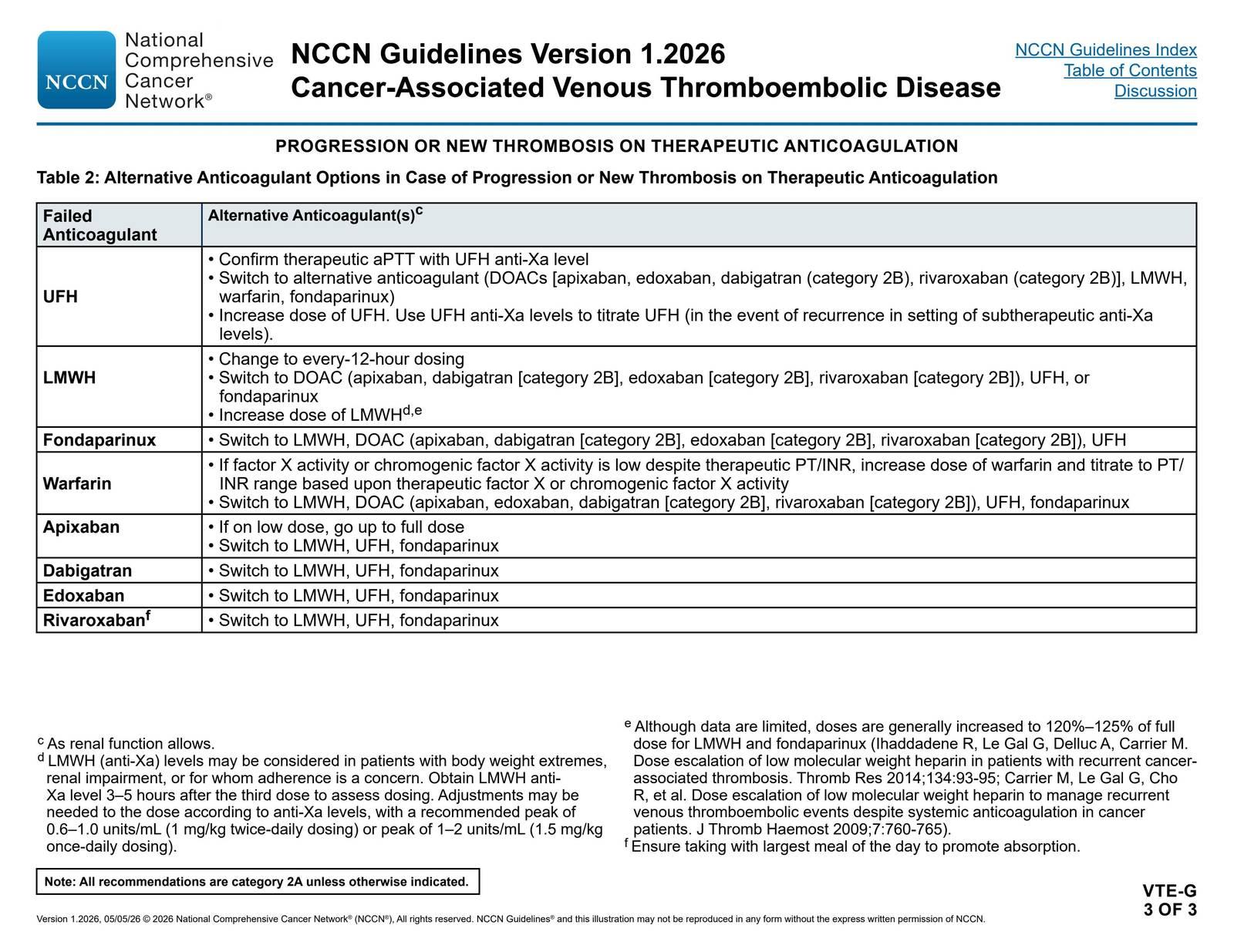
- Rivaroxaban (15 mg and 20 mg doses) should be taken with the largest meal of the day to promote absorption [7]
- Adequate hydration during travel and immobilization periods for VTE prevention
Review of Systems
- Pulmonary: dyspnea, pleuritic chest pain, cough, hemoptysis
- Cardiovascular: palpitations, syncope, presyncope, exertional intolerance
- Lower extremity: unilateral leg swelling, pain, warmth, erythema (concurrent DVT in ~40% of PE patients) [4]
- Neurologic: lightheadedness, confusion (suggests hemodynamic compromise)
- Constitutional: anxiety, sense of impending doom
- GI: abdominal pain (rare, may indicate hepatic congestion from RV failure)
Collateral History and Family History
- Prior VTE in patient or first-degree relatives — strongest historical predictor
- Known thrombophilia: Factor V Leiden, prothrombin G20210A mutation, protein C/S deficiency, antithrombin deficiency, antiphospholipid syndrome [8]
- Active malignancy or recent cancer treatment [2-3]
- Recent hospitalization, surgery, or immobilization — collateral from family/caregivers may be essential in obtunded patients
- Medication history: estrogen use, anticoagulant compliance
Risk Factors
- Major transient: surgery (especially orthopedic), hospitalization, immobilization ≥3 days, major trauma [2-3]
- Minor transient: long-haul travel, oral contraceptives, pregnancy/postpartum, minor injury
- Persistent: active cancer, inflammatory disorders (IBD, SLE), chronic venous disease, inherited thrombophilia
- Patient-related: age, obesity (BMI ≥30 synergistically increases risk with OCP use — OR ~23.8), prior VTE, heart failure, COPD [5]
- Obesity + OCP is a particularly high-risk combination [5]
Differential Diagnosis
- Acute coronary syndrome — pressure-type chest pain, ST changes, troponin elevation (can also occur in PE)
- Pneumonia — fever, productive cough, focal consolidation
- Pneumothorax — sudden pleuritic pain, absent breath sounds, hyperresonance
- Acute heart failure/pulmonary edema — bilateral crackles, BNP elevation, cardiomegaly
- Pericarditis/tamponade — diffuse ST elevation, friction rub, Beck's triad
- Aortic dissection — tearing pain, pulse differential, widened mediastinum
- COPD/asthma exacerbation — wheezing, known history [9]
- Pleural effusion, musculoskeletal chest pain, anxiety/panic attack
- Cannot-miss mimics: PE can present identically to STEMI (ST elevation on ECG from RV strain) [10]
Past Medical History
- Prior VTE (DVT or PE) — strongest individual risk factor
- Malignancy — active or treated within 6 months
- Thrombophilia — inherited or acquired (antiphospholipid syndrome)
- Heart failure, COPD — increase PESI score and mortality risk
- Recent surgery — especially hip/knee replacement, abdominal/pelvic surgery
- Chronic kidney disease — affects anticoagulant choice and dosing
- Liver disease — affects anticoagulant metabolism and bleeding risk
Physical Exam
Vital signs
- Tachycardia (HR >100 in 65–70%), tachypnea (RR >20), hypoxemia (SpO₂ <94%) [4]
- Hypotension (SBP <90) — defines high-risk/massive PE
- MAP <80 mmHg is a predictor of 48-hour clinical deterioration [2-3]
Focused exam
- Lungs: decreased breath sounds, pleural friction rub; often clear
- Cardiac: accentuated P2, parasternal heave/RV lift, JVD, tricuspid regurgitation murmur [2-3]
- Lower extremities: unilateral edema, calf tenderness, Homan's sign (low sensitivity)
- Skin: cyanosis (suggests severe hypoxemia)
- 20–25% of patients with PE, including large clot burden, may have a completely normal exam [11]
Lab Studies
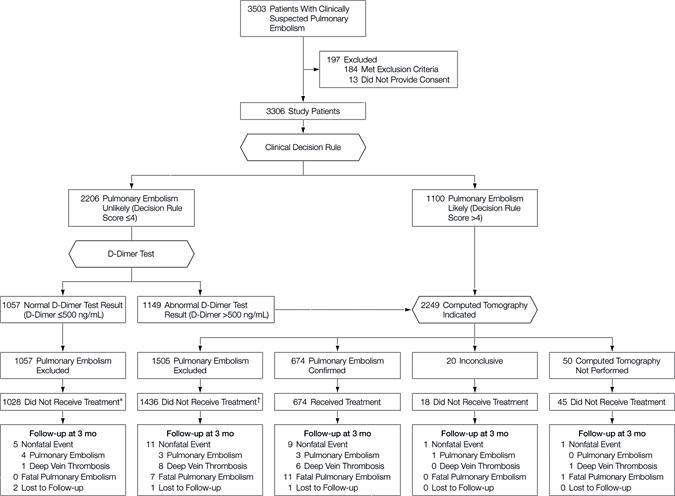
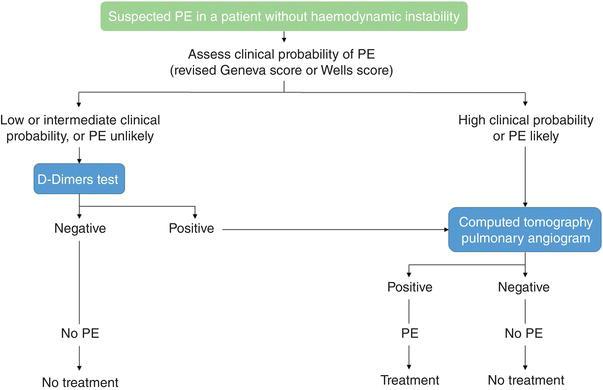
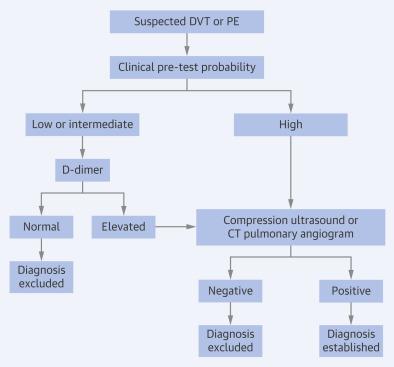
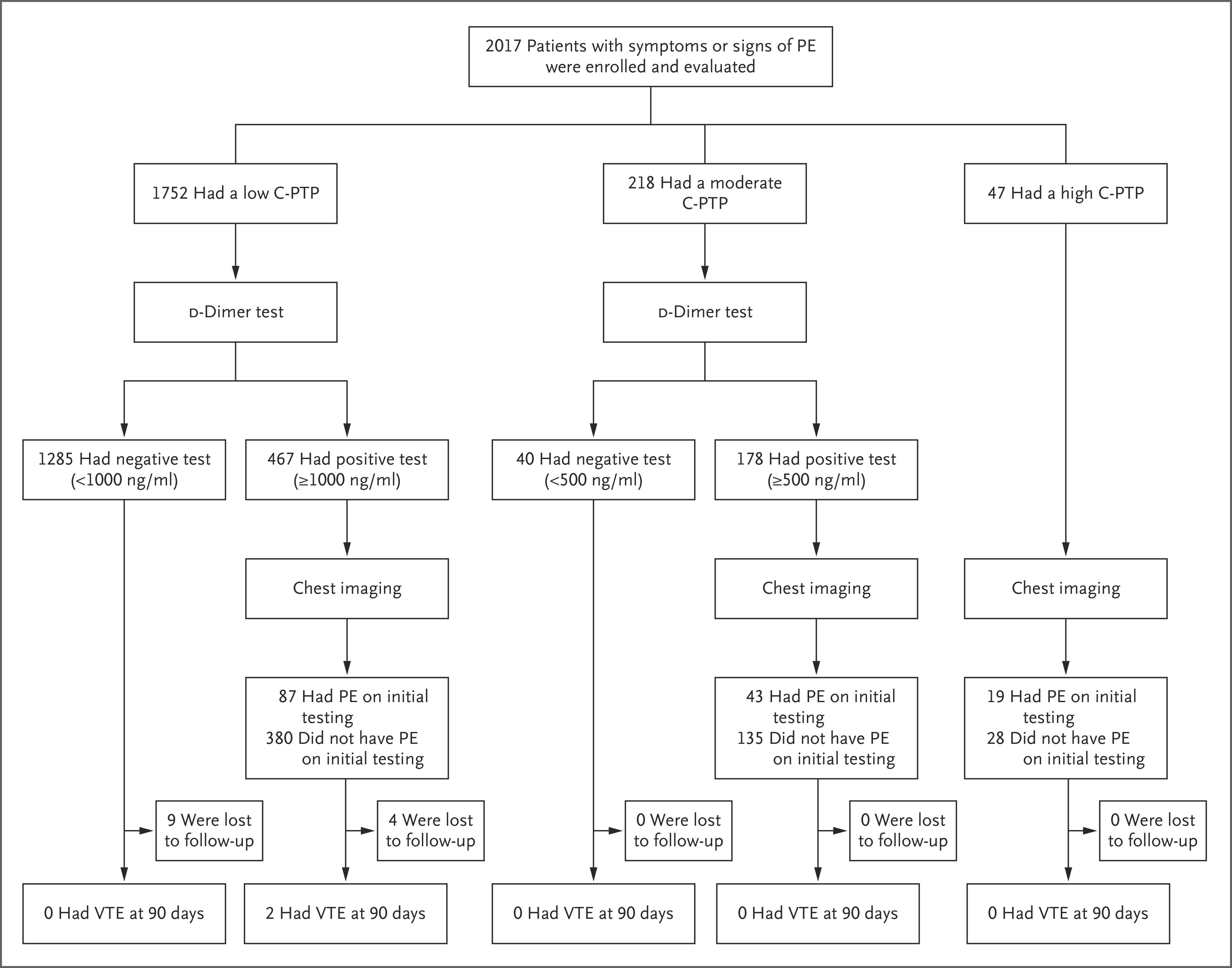
- D-dimer: 97–100% NPV at threshold of 500 ng/mL; use only in low/intermediate pretest probability patients [1]
- Troponin I/T: elevated in RV strain; prognostic, not diagnostic [3][7]
- NT-proBNP/BNP: marker of RV dysfunction and adverse outcomes [7]
- CBC, BMP, PT/aPTT: baseline before anticoagulation [7]
- Lactate: elevated suggests tissue hypoperfusion (normotensive shock) [2]
- ABG: hypoxemia with respiratory alkalosis (classic but nonspecific); A-a gradient often elevated
Imaging
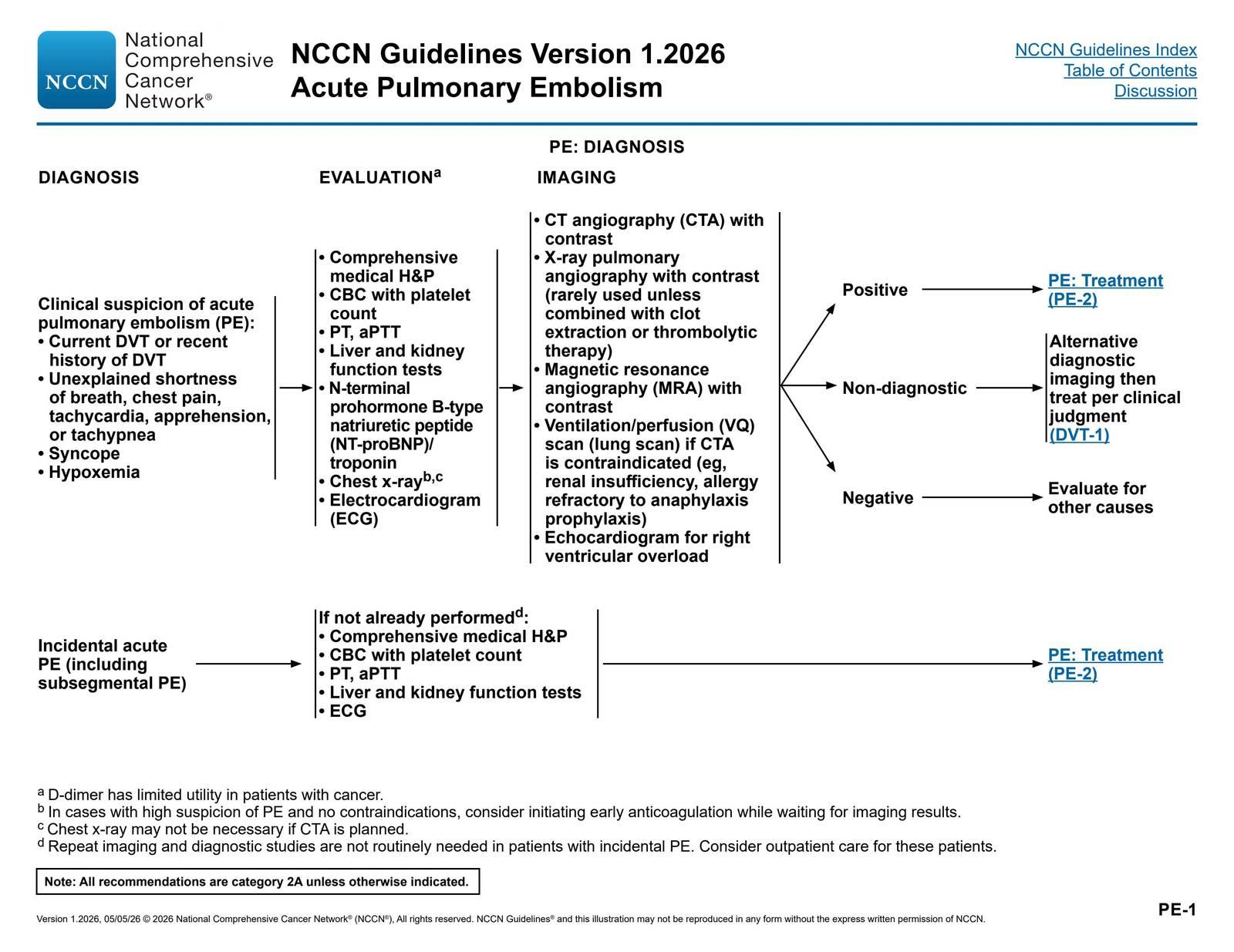
- CT Pulmonary Angiography (CTPA): gold standard — wide availability, excellent diagnostic performance, also assesses RV size and identifies alternative diagnoses [3][12]
- V/Q scan: appropriate when CTPA is contraindicated (contrast allergy, severe renal insufficiency); best combined with SPECT [3]
- Echocardiography: not diagnostic for PE but critical for RV function assessment — look for RV dilation, McConnell's sign, TAPSE reduction, septal bowing, elevated RVSP [3]
- Lower extremity venous duplex ultrasound: useful if DVT suspected; positive DVT in setting of PE symptoms may obviate CTPA in select cases [3]
- Chest X-ray: often normal or nonspecific; useful to exclude pneumothorax, pneumonia, effusion. Classic findings (Hampton's hump, Westermark's sign) are uncommon
- Imaging is unnecessary if PERC-negative in low-probability patients or if D-dimer is negative in low/intermediate probability [1][13]
Special Tests
Clinical decision tools
- Wells Score for PE: stratifies into low/intermediate/high probability (or PE likely/unlikely) [1][13]
- Revised Geneva Score: fully objective scoring system [1][13]
- PERC (Pulmonary Embolism Rule-Out Criteria): if all 8 criteria met in low-probability patients, no further testing needed [1]
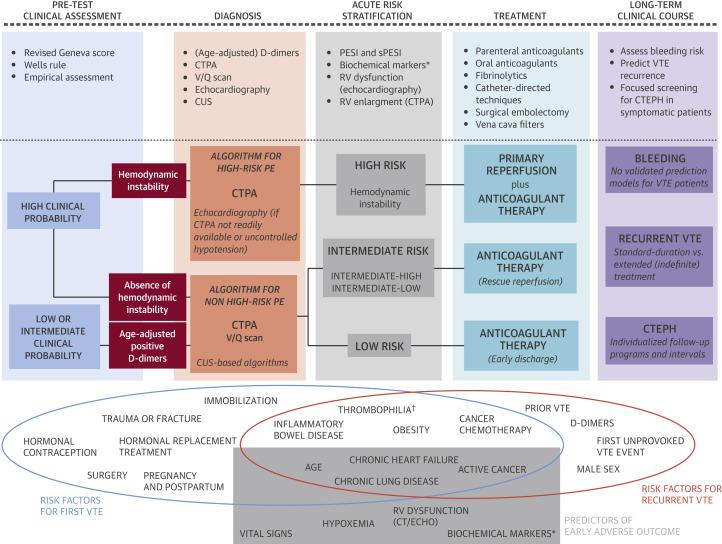
- PESI / sPESI: risk stratification after PE diagnosis for disposition decisions [2-3]
- Hestia Criteria: bedside tool to identify patients safe for outpatient management [14]
- Bova Score: predicts 30-day complications in hemodynamically stable PE [supported calculator]
Point-of-care
- Bedside echocardiography: rapid RV assessment in unstable patients
- Point-of-care ultrasound (POCUS): DVT assessment, RV dilation, IVC assessment
- Whole-blood D-dimer assays available in some EDs
ECG
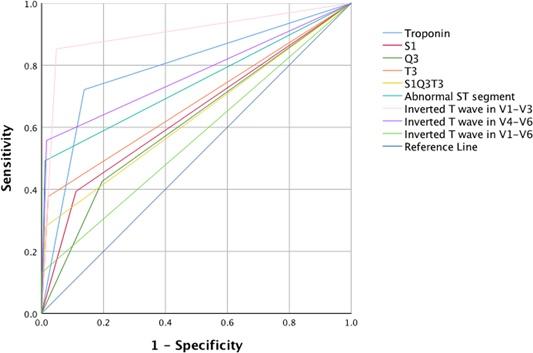
ECG is insensitive for PE but may raise suspicion and help with risk stratification: [15-16]
- Sinus tachycardia: most common finding (~31%) [17]
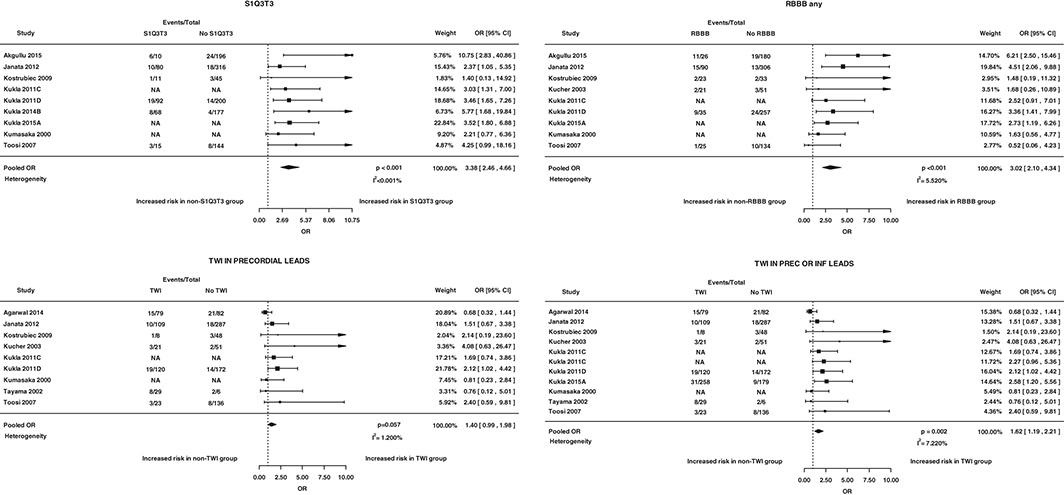
- S1Q3T3 pattern: classic but present in only ~15% of cases [17]
- T-wave inversion in V1–V3: best ECG predictor of RV dysfunction and massive/submassive PE (18% prevalence) [17-18]
- Right bundle branch block (new or incomplete): ~14% [17]
- Right axis deviation, clockwise rotation (transition zone shift)
- P pulmonale (right atrial enlargement): rare
- ST elevation in right precordial leads: can mimic STEMI [10]
- Normal ECG in 20–25% of confirmed PE, including large clot burden [11]
- Classical ECG findings have minimal independent diagnostic accuracy and should not be used alone to rule in or rule out PE [16]
Assessment
The 2026 AHA/ACC guideline introduces 5 clinical categories (A–E) for severity stratification: [2-3]
- Category A: Asymptomatic/incidental PE — safe for ED discharge
- Category B: Symptomatic, low-risk (sPESI <1, Hestia <1) — early discharge candidates
- Category C: Symptomatic, elevated severity score (sPESI ≥1) ± biomarker/RV dysfunction
- Category D: Pre-cardiopulmonary failure (normotensive shock, transient hypotension, approaching ventilatory support)
- Category E: Cardiopulmonary failure — persistent hypotension, cardiogenic shock, cardiac arrest
A respiratory modifier (R) is added when significant hypoxemia, tachypnea, or supplemental O₂ requirement is present. [2-3]
Treatment Plan
Initial stabilization (all categories)
- Supplemental O₂ to maintain SpO₂ >90%
- IV access, continuous monitoring
- Empiric anticoagulation is reasonable in high pretest probability while awaiting imaging [2]
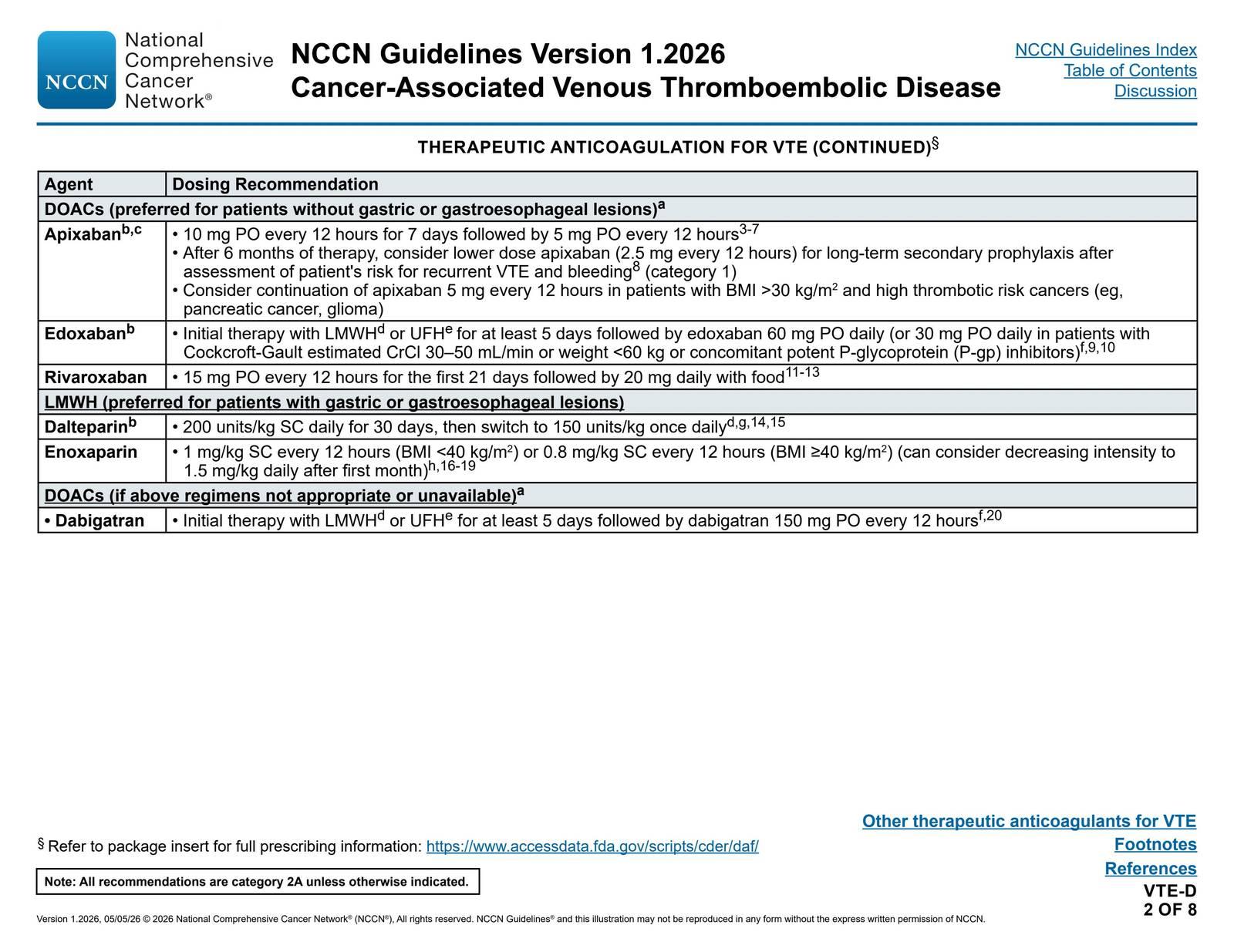
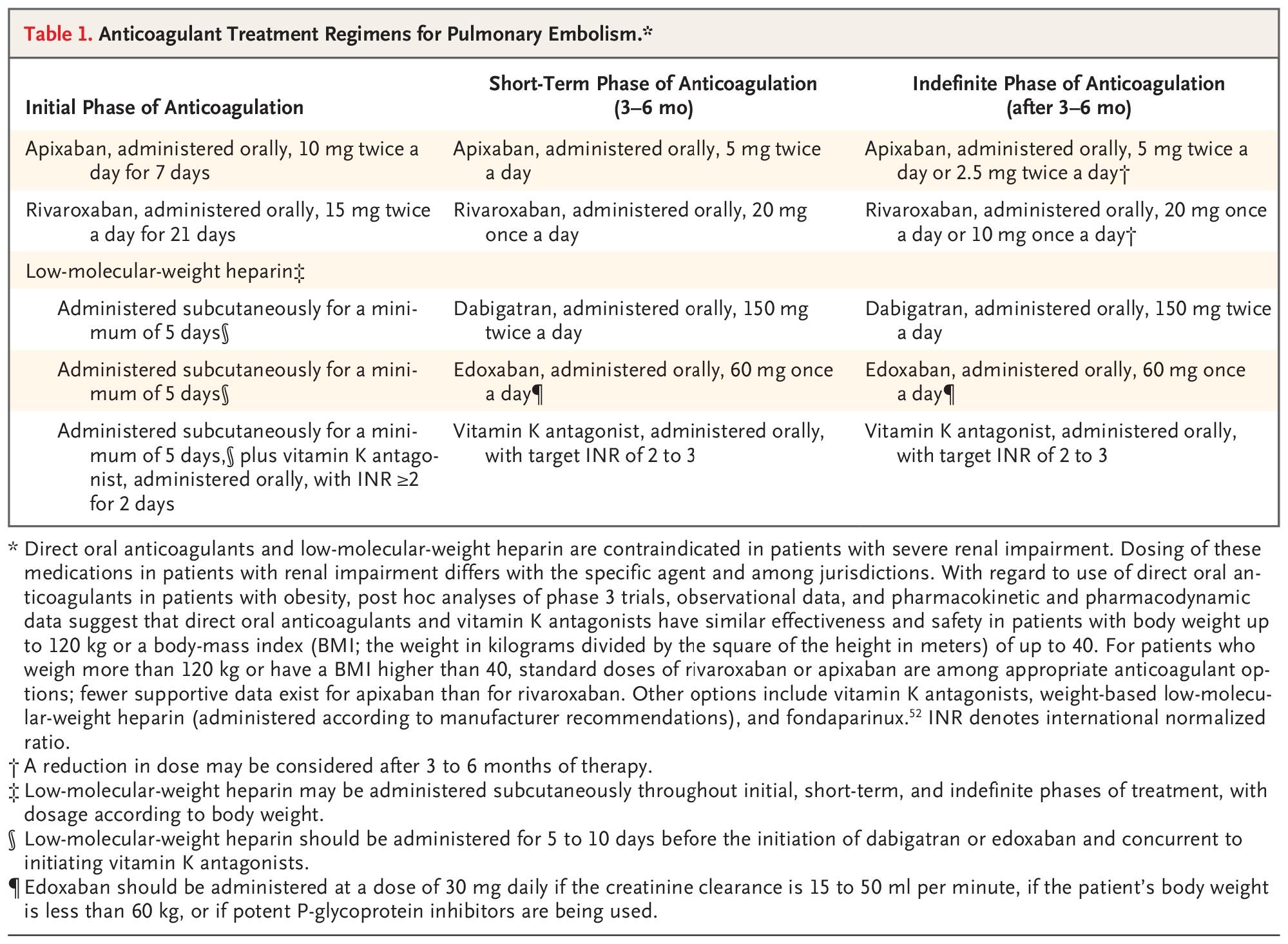
Anticoagulation — the cornerstone of PE treatment: [2-3][19]
Key anticoagulation pearls:
- DOACs are recommended over VKAs unless contraindicated (antiphospholipid syndrome, severe CKD, pregnancy) [2-3]
- LMWH is preferred over UFH for parenteral therapy (lower recurrent VTE, less HIT) [2-3]
- UFH is preferred when advanced therapies (thrombolysis, catheter intervention, surgery) are anticipated [12]
- The COBRRA trial (2026) showed apixaban had lower clinically relevant bleeding than rivaroxaban in acute VTE [20]
Advanced therapies (Category D–E): [2-3]
- Systemic thrombolysis: alteplase 100 mg IV over 2 hours (standard dose); low-dose regimens (25–50 mg) may have similar efficacy with less bleeding [2]
- Indicated for Category E (hemodynamic collapse/cardiogenic shock); may be considered for Category D
- Rescue thrombolysis is beneficial for patients who decompensate on anticoagulation alone [2]
- Catheter-directed therapy (CDT): catheter-directed thrombolysis or mechanical thrombectomy — considered when systemic thrombolysis is contraindicated or as alternative [21]
- Surgical embolectomy: for massive PE with thrombolysis contraindication or failure
- ECMO: bridge therapy in refractory cardiogenic shock or cardiac arrest [2]
- PERT activation is recommended for Category C3 and above [2-3]
IVC filter: only when anticoagulation is absolutely contraindicated or PE recurs despite therapeutic anticoagulation [1]
Disposition
Per the 2026 AHA/ACC guidelines: [2-3]
- ED discharge (outpatient management):
- Admit to floor/telemetry:
- Admit to step-down/ICU:
- Category C3 (elevated troponin AND RV dysfunction) — close monitoring for first 24–72 hours [2]
- Category D (pre-cardiopulmonary failure)
- ICU admission:
- Transfer to higher-level center if advanced therapies (catheter intervention, surgical embolectomy, ECMO) are needed but unavailable locally [3]
Specialist consultation triggers: PERT activation for Category C3 and above; hematology for thrombophilia workup; oncology if cancer-associated PE
Follow-Up / Return Precautions
- Initial follow-up within 48 hours to 7 days after diagnosis — focus on medication adherence, patient education, and barrier assessment [2-3]
- Dedicated visit at ~3 months: discuss anticoagulation duration, assess for ongoing symptoms, evaluate for thrombophilia/cancer screening if indicated [2-3]
- Screen for CTEPD at every visit for at least 1 year — one-third to one-half of PE patients report persistent dyspnea; CTEPD with PH complicates 2.3–4% of acute PEs [2-3]
- Anticoagulation duration: [2-3][12]
- Provoked by major transient risk factor: 3 months, then stop
- Unprovoked or persistent risk factor: extended/indefinite anticoagulation recommended
- After 3–6 months of full-dose therapy, consider reduced-dose apixaban (2.5 mg BID) or rivaroxaban (10 mg daily) for extended phase [12]
Return precautions — counsel patients to return immediately for:
- New or worsening shortness of breath
- Chest pain, hemoptysis
- Lightheadedness, syncope, or near-syncope
- Unilateral leg swelling or pain (recurrent DVT)
- Signs of bleeding: blood in urine/stool, unusual bruising, prolonged bleeding from cuts
- Expected recovery: symptoms typically improve over days to weeks; persistent dyspnea beyond 3 months warrants further evaluation for CTEPD [2-3]
References
1. Acute Pulmonary Embolism: A Review. — Freund Y, Cohen-Aubart F, Bloom B. The Journal of the American Medical Association. 2022.
2. 2026 AHA/ACC/ACCP/ACEP/CHEST/SCAI/SHM/SIR/SVM/SVN Guideline for the Evaluation and Management of Acute Pulmonary Embolism in Adults: A Report of the American College of Cardiology/American Heart Association Joint Committee on Clinical Practice Guidelines. — Writing Committee Members*, Creager MA, Barnes GD, et al. Circulation. 2026.
3. 2026 AHA/ACC/ACCP/ACEP/CHEST/SCAI/SHM/SIR/SVM/SVN Guideline for the Evaluation and Management of Acute Pulmonary Embolism in Adults: A Report of the American College of Cardiology/American Heart Association Joint Committee on Clinical Practice Guidelines. — Creager MA, Barnes GD, Giri J, et al. Journal of the American College of Cardiology. 2026.
4. Venous Thromboembolism. — Khan F, Tritschler T, Kahn SR, Rodger MA. Lancet. 2021.
5. Sex Hormone Influences on Venous Thrombotic and Cardiovascular Risk. — Skeith L, Bates SM. The New England Journal of Medicine. 2026.
6. Contraception Selection, Effectiveness, and Adverse Effects: A Review. — Teal S, Edelman A. The Journal of the American Medical Association. 2021.
7. Cancer-Associated Venous Thromboembolic Disease. — Updated 2026-05-05. National Comprehensive Cancer Network.
8. Combined Hormonal Contraception and the Risk of Venous Thromboembolism: A Guideline. — Practice Committee of the American Society for Reproductive Medicine. Electronic address: ASRM@asrm.org, et al. Fertility and Sterility. 2017.
9. 2026 GOLD Report and Pocket Guide: Global Strategy for Prevention, Diagnosis, and Management of COPD – 2026 Report. — Global Initiative for Chronic Obstructive Lung Disease. 2025.
10. Massive Pulmonary Embolism Presenting With Hemoptysis and S1Q3T3 ECG Findings. — Islamoglu MS, Dokur M, Ozdemir E, Unal OF. BMC Cardiovascular Disorders. 2021.
11. ECG in Suspected Pulmonary Embolism. — Thomson D, Kourounis G, Trenear R, et al. Postgraduate Medical Journal. 2019.
12. International Clinical Practice Guideline Recommendations for Acute Pulmonary Embolism: Harmony, Dissonance, and Silence. — Zuin M, Bikdeli B, Ballard-Hernandez J, et al. Journal of the American College of Cardiology. 2024.
13. Comparison of International Guideline Recommendations for the Diagnosis of Pulmonary Embolism. — Falster C, Hellfritzsch M, Gaist TA, et al. The Lancet. Haematology. 2023.
14. Evidence-Based Risk Stratification of Patients With Acute Pulmonary Embolism: Communication From the ISTH SSC Subcommittee on Predictive and Diagnostic Variables in Thrombotic Disease. — Talerico R, de Wit K, Barco S, et al. Journal of Thrombosis and Haemostasis : JTH. 2026.
15. 2015 ACR/ACC/AHA/AATS/ACEP/ASNC/NASCI/SAEM/SCCT/SCMR/SCPC/SNMMI/STR/STS Appropriate Utilization of Cardiovascular Imaging in Emergency Department Patients With Chest Pain: A Joint Document of the American College of Radiology Appropriateness Criteria Committee and the American College of Cardiology Appropriate Use Criteria Task Force. — Rybicki FJ, Udelson JE, Peacock WF, et al. Journal of the American College of Cardiology. 2016.
16. EXPRESS: Classical ECG Findings in Pulmonary Embolism Have Minimal Diagnostic Accuracy: A Cross-Sectional Study. — Smaniotto MF, Alencar E Silva GPS, Heringer JN, et al. Journal of Investigative Medicine : The Official Publication of the American Federation for Clinical Research. 2025.
17. Prevalence of Electrocardiographic Abnormalities in Patients With Acute Pulmonary Embolism: A Systematic Review and Meta-Analysis. — Krintratun S, Srichuachom W, Wongtanasarasin W. Journal of Clinical Medicine. 2025.
18. Differentiating electrocardiographic indications of massive and submassive pulmonary embolism: A cross‐sectional study in Southern Iran from 2015 to 2020. — Bahreini Z, Kamali M, Kheshty F, et al. Clinical Cardiology. 2024.
19. Pulmonary Embolism. — Kahn SR, de Wit K. The New England Journal of Medicine. 2022.
20. Bleeding Risk with Apixaban vs. Rivaroxaban in Acute Venous Thromboembolism. — Castellucci LA, Chen VM, Kovacs MJ, et al. The New England Journal of Medicine. 2026.
21. Catheter-Directed Therapies for the Treatment of High Risk (Massive) and Intermediate Risk (Submassive) Acute Pulmonary Embolism. — Harvey JJ, Huang S, Uberoi R. The Cochrane Database of Systematic Reviews. 2022.
22. Outpatient Versus Inpatient Treatment for Acute Pulmonary Embolism. — Yoo HH, Nunes-Nogueira VS, Fortes Villas Boas PJ, Broderick C. The Cochrane Database of Systematic Reviews. 2022.
Figures
More from Deep Dive
Reviewed by Dr. Lucas Mastropaolo. SymptomDx is an educational tool for medical professionals — it does not replace clinical judgment. Verify all clinical data and drug dosages with authoritative sources.