Starvation Ketosis
Starvation ketosis (SK) is a metabolic state caused by prolonged fasting or inadequate caloric intake, in which glycogen depletion triggers a shift to fatty acid oxidation and hepatic ketogenesis.[1-2] It exists on a spectrum from mild, compensated ketosis to starvation ketoacidosis (SKA), a potentially life-threatening high anion gap metabolic acidosis.[3-4] It is frequently underrecognized and misdiagnosed, particularly in patients who cannot provide an accurate history.[3-4]
History
- Duration and degree of oral intake: Quantify days of fasting, caloric restriction, or inability to eat; even 24–48 hours of fasting can precipitate ketosis in vulnerable populations (pregnancy, children)[5-6]
- Reason for poor intake: Vomiting, nausea, abdominal pain, psychiatric illness (depression, psychosis, eating disorders), post-surgical intolerance, intentional fasting/dieting[4][7]
- Timing and progression: Onset of malaise, weakness, nausea, vomiting, lethargy; in children, vomiting and lethargy are the most common presenting symptoms[8]
- Associated symptoms: Abdominal pain, rapid/shallow breathing, fruity breath, dizziness, confusion[3]
- Important negatives: Diabetes history, SGLT2 inhibitor use, alcohol use, pregnancy status, recent surgery, insulin use, toxic ingestions[9-10]
Alarm Features
- Kussmaul respirations (deep, labored breathing) suggesting significant acidosis[3]
- Altered mental status — confusion, lethargy, obtundation
- Hemodynamic instability — tachycardia, hypotension from severe dehydration
- Severe acidemia (pH <7.1) — rare in pure starvation ketosis but can occur in pregnancy or with concurrent illness[5][11]
- Hypoglycemia — especially in children and pregnant women[6][8]
- Seizures — particularly in pediatric patients with ketotic hypoglycemia[8]
- Coexisting alcoholic ketoacidosis — conditions frequently overlap[4]
Medications
- Contributors to ketosis: SGLT2 inhibitors (empagliflozin, dapagliflozin, canagliflozin) are a major cause of euglycemic ketoacidosis; insulin or sulfonylureas can mask hyperglycemia while ketosis progresses[10][12]
- Treatment: IV dextrose-containing fluids (D5NS, D10W) are the cornerstone; insulin is generally not needed unless concurrent DKA[4][7]
- Critical caution: Administer thiamine 100 mg IV before dextrose in any patient at risk for Wernicke encephalopathy (chronic alcohol use, prolonged starvation, eating disorders)[4][13]
- Avoid: Metformin should be held in the setting of significant acidosis (risk of lactic acidosis)
Diet
- Acute management: Oral carbohydrate intake if tolerated (juice, crackers) can rapidly resolve mild ketosis; IV dextrose for those unable to tolerate PO[4][7]
- Hydration: Aggressive fluid resuscitation with dextrose-containing isotonic fluids
- Refeeding precautions: In prolonged starvation (>5–7 days), initiate nutrition cautiously — start at 50% of caloric goal and advance over 4–7 days to prevent refeeding syndrome[13-14]
- Long-term: Address underlying cause of poor intake; nutritional counseling; ensure adequate carbohydrate intake to prevent recurrence
Review of Systems
- GI: Nausea, vomiting, abdominal pain, anorexia, constipation
- Neuro: Lethargy, confusion, headache, seizures (pediatric)
- Respiratory: Dyspnea, tachypnea (Kussmaul breathing)
- Cardiovascular: Palpitations, dizziness, syncope
- Psychiatric: Depression, psychosis, eating disorder behaviors, substance use[4]
- OB/GYN: Pregnancy status, hyperemesis gravidarum, gestational age[5]
- Endocrine: Polyuria, polydipsia (to differentiate from DKA)
Collateral History and Family History
- Collateral is critical — psychiatric patients may not provide accurate dietary history[4]
- Confirm actual oral intake with family, caregivers, or nursing staff
- Screen for eating disorders (anorexia nervosa, bulimia) — family may provide key information[15]
- Family history of diabetes mellitus (to exclude DKA), inborn errors of metabolism (pediatric), or fatty acid oxidation disorders
- Social context: Homelessness, food insecurity, substance abuse, social isolation
Risk Factors
- Pregnancy (especially third trimester) — accelerated starvation physiology due to placental hormones (human placental lactogen, glucagon) creating relative insulin resistance; even 12–24 hours of fasting can precipitate severe ketoacidosis[5-6]
- Eating disorders — anorexia nervosa, bulimia nervosa[15]
- Chronic alcohol use — often coexists with alcoholic ketoacidosis[1][4]
- Post-bariatric surgery — poor oral tolerance, especially early postoperative period[7]
- Psychiatric illness — depression, psychosis, catatonia leading to food refusal[4]
- Pediatric patients — children <10 years with intercurrent illness and poor intake; those below 50th percentile for weight are at higher risk[8]
- Chronic liver disease — impaired gluconeogenesis and reduced glycogen stores[10]
- Hyperemesis gravidarum, gastroparesis, bowel obstruction, or any condition causing prolonged vomiting
- SGLT2 inhibitor use in combination with reduced intake[10][12]
- Low-carbohydrate/ketogenic diets taken to extremes[16]
Differential Diagnosis
- Export Diagnosis Key Distinguishing Features References Diabetic ketoacidosis (DKA) Glucose typically >250 mg/dL (unless euglycemic DKA); history of diabetes; absolute insulin deficiency[1-2]
- Alcoholic ketoacidosis (AKA) History of chronic alcohol use/binge drinking followed by cessation; glucose low-normal; elevated NADH/NAD ratio shifts toward β-OHB[1, 3]
- Euglycemic DKA (SGLT2i-related) SGLT2 inhibitor use; glucose 250 mg/dL; prolonged course; may recur after initial resolution[4-5]
- Lactic acidosis Elevated lactate; sepsis, shock, metformin toxicity, liver failure[2]
- Toxic alcohol ingestion Methanol/ethylene glycol: osmolar gap elevated; specific toxidromes[2]
- Salicylate toxicity Mixed respiratory alkalosis and metabolic acidosis; tinnitus; salicylate level elevated[2]
- Uremia Elevated BUN/creatinine; chronic kidney disease history[2]
- Inborn errors of metabolism Pediatric; recurrent episodes; specific organic acid profiles[6]
- Key pearl: Starvation ketosis typically produces only mild acidosis (pH rarely <7.3, bicarbonate usually >18 mEq/L) because the brain and kidneys can metabolize ketoacids at a rate matching hepatic production.[19] When severe acidosis is present, consider concurrent pathology (pregnancy, infection, alcohol, DKA).[5][11]
Past Medical History
- Diabetes mellitus — type 1 or type 2 (starvation can trigger euglycemic DKA in diabetics)[9][20]
- Prior episodes of ketosis or ketoacidosis
- Bariatric surgery — sleeve gastrectomy, gastric bypass[7]
- Eating disorder history[15]
- Psychiatric history — depression, schizophrenia, substance use disorders[4]
- Chronic liver disease — reduced glycogen stores and gluconeogenic capacity[10]
- Pregnancy history — hyperemesis, gestational diabetes[5]
Physical Exam
- Vital signs: Tachycardia, hypotension (dehydration), tachypnea/Kussmaul respirations (acidosis), hypothermia (severe malnutrition)[3][15]
- General: Cachectic appearance, temporal wasting, signs of malnutrition, fruity/acetone breath
- HEENT: Dry mucous membranes, poor dentition (eating disorders/purging), parotid enlargement (bulimia)
- Cardiovascular: Tachycardia, orthostatic changes, weak pulses
- Abdomen: Diffuse tenderness (ketoacidosis can cause abdominal pain mimicking surgical abdomen), decreased bowel sounds
- Skin: Poor turgor, lanugo hair, Russell sign (knuckle calluses from self-induced vomiting), dry/scaly skin[15]
- Neuro: Mental status assessment — alert to obtunded; peripheral neuropathy in chronic malnutrition
- Focused maneuvers: Orthostatic vitals, capillary refill, BMI calculation
Lab Studies
- Point-of-care glucose — typically normal or low (distinguishes from DKA)[7][9]
- Beta-hydroxybutyrate (β-OHB) — the most reliable ketone marker; ≥2.5 mmol/L indicates clinically significant ketosis; can reach 2.5–4.5 mM after 5–7 days of fasting[8][21]
- Basic metabolic panel: Anion gap (typically mildly elevated, 10–18 mEq/L); bicarbonate mildly decreased; BUN/creatinine for dehydration assessment[1]
- Venous blood gas: pH usually >7.3 in pure starvation ketosis; pH <7.3 suggests additional pathology[19]
- Urinalysis: Ketonuria (note: urine dipstick detects acetoacetate, not β-OHB — may underestimate ketosis)[22]
- Serum lactate — to exclude lactic acidosis
- Ethanol level — to evaluate for concurrent AKA
- Phosphate, magnesium, potassium — baseline before dextrose administration (refeeding risk)[13]
- Lipase — may be elevated without pancreatitis in starvation ketoacidosis[7]
- HbA1c — helps differentiate from undiagnosed diabetes
- Hepatic function panel — transaminitis can occur in severe malnutrition[15]
Imaging
- Generally not required for diagnosis of starvation ketosis
- Chest X-ray: If infection suspected as precipitant or if concern for aspiration
- CT abdomen: If abdominal pain is severe or surgical pathology cannot be excluded (ketoacidosis can mimic acute abdomen)
- Abdominal imaging: Consider if post-bariatric surgery to rule out anastomotic leak, obstruction[7]
- Obstetric ultrasound: Fetal assessment in pregnant patients with ketoacidosis[5]
Special Tests
- Point-of-care capillary β-OHB — rapid bedside test; should be considered in any unwell child <10 years with vomiting or lethargy[8]
- Anion gap calculation: AG = Na⁺ − (Cl⁻ + HCO₃⁻); mild elevation typical
- Osmolar gap: If toxic alcohol ingestion is in the differential
- Serum ketone panel (acetoacetate, β-OHB, acetone) when available
- Urine drug screen: If intentional ingestion or substance use suspected
- Pregnancy test: In all women of reproductive age
ECG
- Indications: Obtain in any patient with significant ketoacidosis, electrolyte abnormalities, or eating disorder history
Findings to assess
- Prolonged QTc — risk of torsades de pointes, especially in eating disorders with electrolyte derangements[15]
- U waves, flattened T waves — hypokalemia
- Peaked T waves — hyperkalemia (less common)
- Bradycardia — chronic malnutrition/anorexia nervosa[15]
- ST changes — DKA can produce pseudo-ischemic ECG changes; rule out true ACS in older patients
Assessment
Pathophysiology: During fasting, hepatic glycogen is depleted within 12–24 hours. Falling insulin and rising glucagon/cortisol/growth hormone stimulate lipolysis, releasing free fatty acids that undergo hepatic β-oxidation to produce ketone bodies (β-OHB, acetoacetate, acetone).[16][23] In normal starvation, the brain and kidneys metabolize ketoacids at a rate that matches production, maintaining only mild acidemia.[19] Severe acidosis occurs when additional factors impair this balance — pregnancy, concurrent illness, alcohol, or dehydration.[5][11]
Severity spectrum
- Mild ketosis: β-OHB 0.5–2.5 mmol/L, normal pH, minimal symptoms
- Significant ketosis: β-OHB ≥2.5 mmol/L, mild acidosis, symptomatic[8]
- Starvation ketoacidosis: pH <7.3, bicarbonate <18, elevated anion gap — uncommon in pure starvation; consider concurrent pathology[4][19]
- Complications: Dehydration, electrolyte derangements, refeeding syndrome upon nutritional repletion, fetal distress/demise in pregnancy.[5][14]
Treatment Plan
Initial stabilization
- IV access, cardiac monitoring, continuous pulse oximetry
- Thiamine 100 mg IV before any dextrose in at-risk patients (alcohol use, prolonged starvation, eating disorders)[4][13]
Fluid and glucose resuscitation
- D5NS or D10W — dextrose-containing IV fluids are the primary treatment; glucose stimulates insulin release, which suppresses lipolysis and halts ketogenesis[4][7]
- Volume resuscitation with isotonic crystalloid for dehydration
- Anion gap typically closes rapidly with dextrose administration[7][9]
Electrolyte management
- Replete potassium, magnesium, and phosphate before or concurrent with dextrose[13]
- Monitor electrolytes every 6–12 hours during initial treatment[13]
- Refeeding syndrome prevention (prolonged starvation >5 days):
- Start nutrition at 10–20 kcal/kg/day or 50% of goal; advance by 33% every 1–2 days[13]
- Thiamine 100 mg daily for 5–7 days[13]
- Monitor phosphate, potassium, magnesium every 12 hours for first 3 days[13]
- Pregnancy-specific: Aggressive IV dextrose; fetal monitoring; obstetric consultation; emergent delivery may be required if refractory acidosis[5][11]
- Insulin: Generally not indicated in pure starvation ketosis (endogenous insulin is intact); insulin is needed only if concurrent DKA is present[7][19]
Disposition
- Discharge: Mild ketosis (β-OHB <2.5 mmol/L) with normal pH, tolerating PO, identifiable and reversible cause, reliable follow-up
- Observation: Moderate ketosis responding to IV dextrose, awaiting PO tolerance
Admission criteria
- pH <7.3 or bicarbonate <18 mEq/L[4]
- Persistent vomiting/inability to tolerate PO
- Significant electrolyte abnormalities
- Pregnancy with ketoacidosis[5]
- Concern for refeeding syndrome (prolonged starvation)
- Psychiatric illness requiring safety evaluation[4]
- Post-bariatric surgery with poor oral tolerance[7]
- Specialist consultation: Endocrinology (if DKA suspected), OB/GYN (pregnancy), psychiatry (eating disorders, food refusal), surgery (post-bariatric complications), nutrition/dietetics
Follow Up / Return Precautions
- Follow-up timing: Primary care within 48–72 hours if discharged; nutrition/dietetics referral; psychiatry if eating disorder or psychiatric illness identified
- Return precautions: Persistent vomiting, inability to eat or drink, abdominal pain, rapid breathing, confusion, dizziness/fainting, recurrent symptoms
Patient counseling
- Importance of regular carbohydrate intake; avoid prolonged fasting
- If on SGLT2 inhibitor: sick-day rules — hold medication during illness, fasting, or perioperative periods[12]
- Pregnant patients: avoid fasting >12 hours; seek care promptly for persistent vomiting[5]
- Pediatric: parents should be counseled that unwell children who are not eating need early assessment, especially if vomiting or lethargic[8]
- Expected recovery: Ketosis resolves rapidly (hours) with carbohydrate repletion; full recovery expected if underlying cause is addressed[4][7]
- Relevant images 10 items
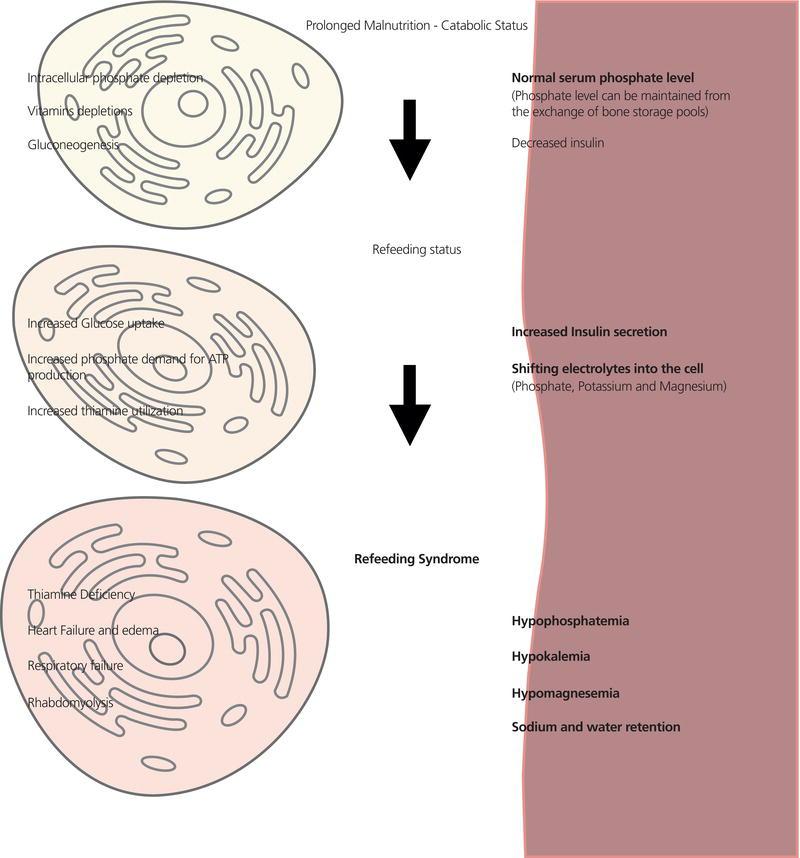
- Pathogenesis of refeeding syndrome.
- Yamada's Textbook of Gastroenterology 7e December 31, 2021
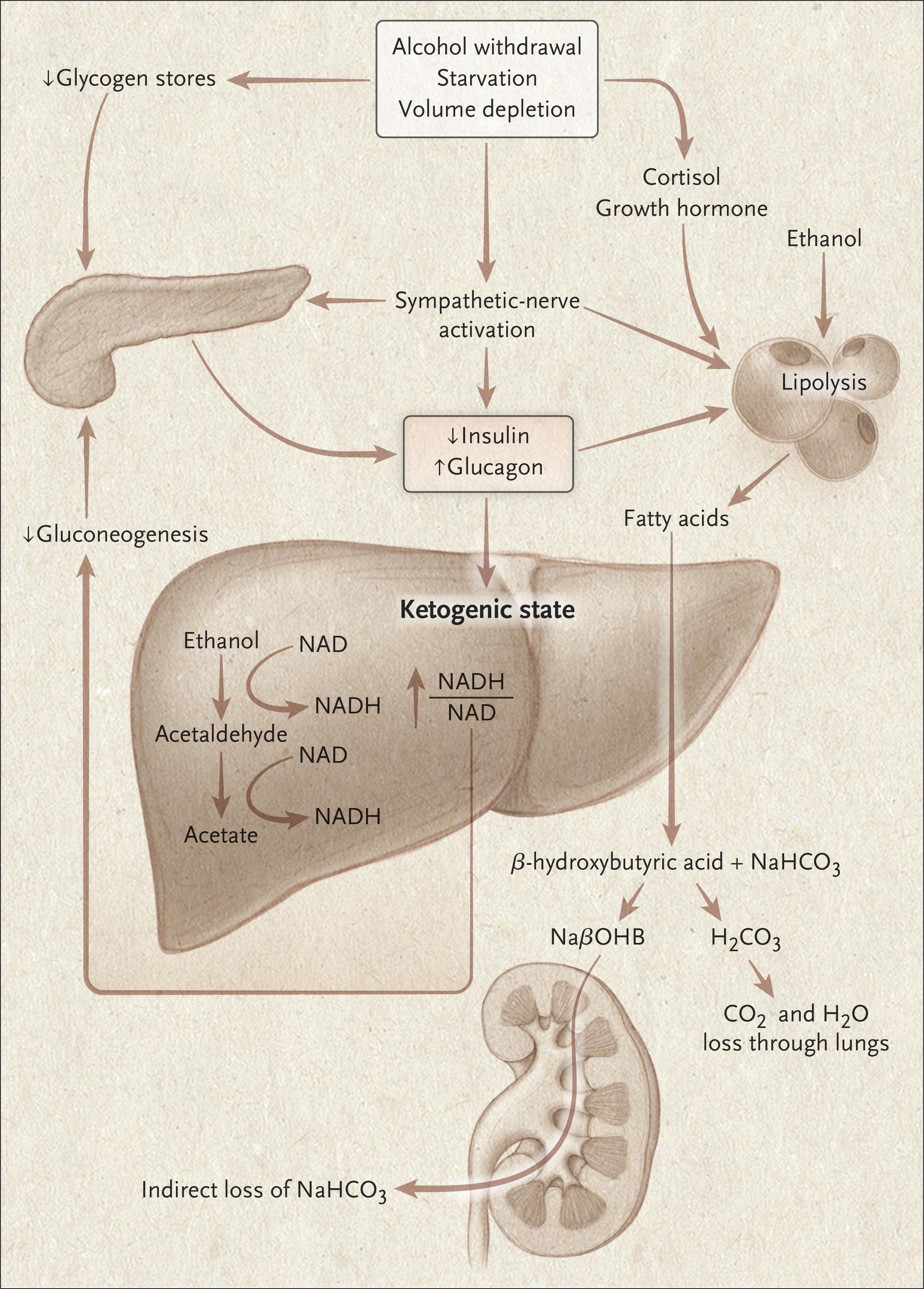
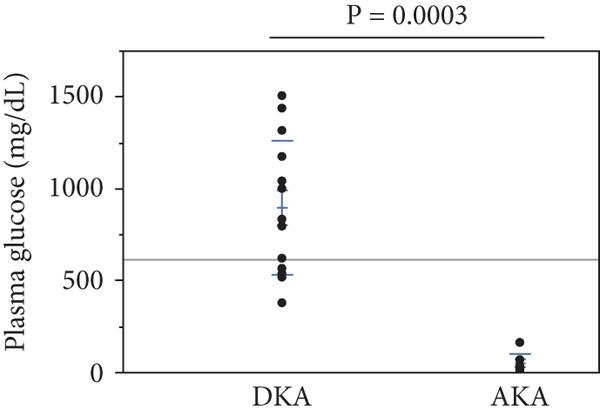
- Mechanisms of Alcoholic Ketoacidosis.
- NEJM October 4, 2017
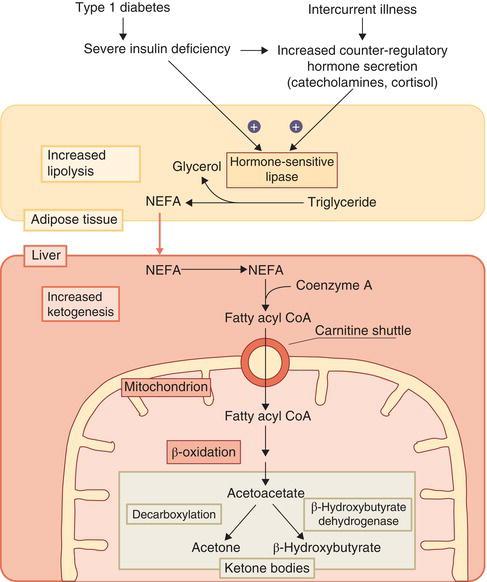
- Mechanisms of ketacidosis. NEFA, non‐esterified fatty acids.
- Handbook of Diabetes 5e December 31, 2020
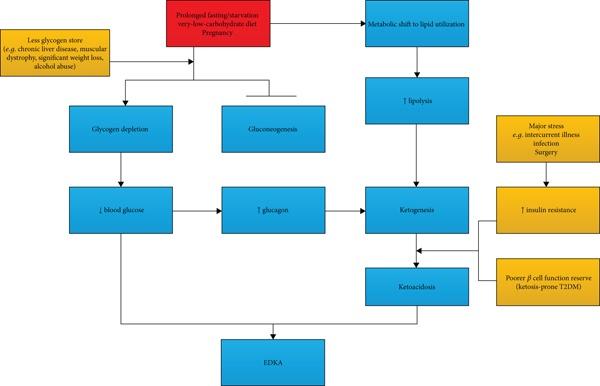
- EDKA in a non‐insulin‐dependent setting: triggered by starvation or other precipitants; with the compensation capacity of EGP impaired by lack of substrates or poor liver function, a metabolic shift to lipid utilization occurs at a lower blood glucose concentration.
- International Journal of Endocrinology January 31, 2018
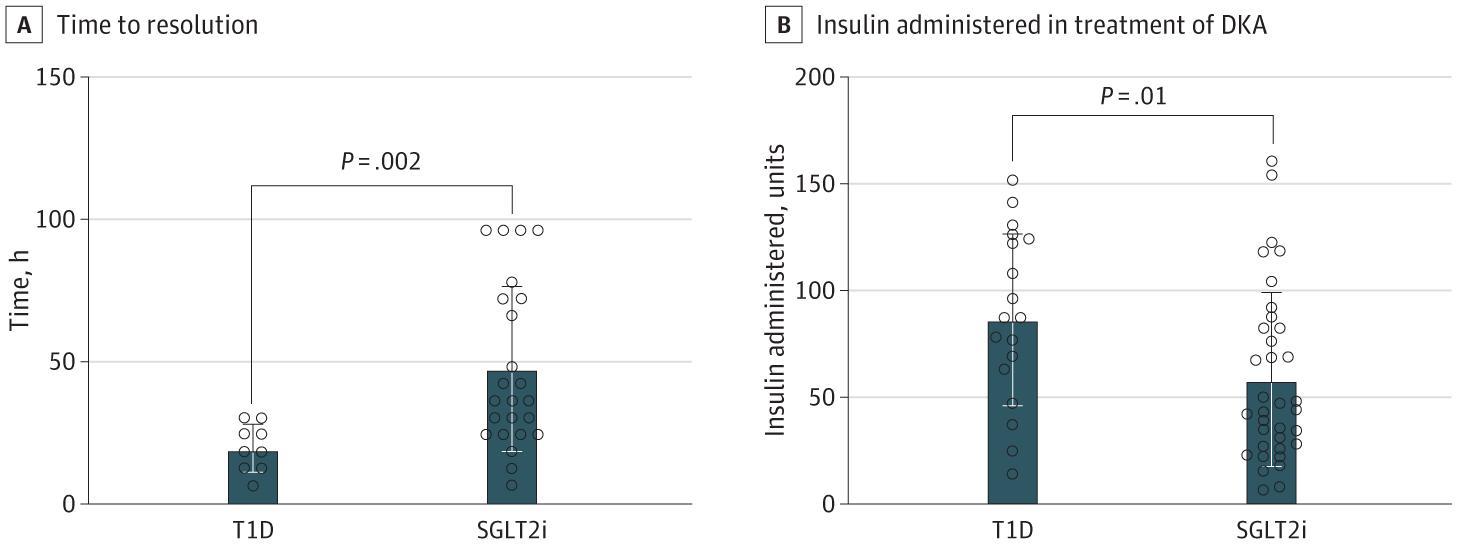
- Time to Resolution of Ketosis and Acidosis and Amount of Insulin Administered in Patients With Type 1 Diabetes (T1D)–Associated and Sodium-Glucose Cotransporter 2 Inhibitor (SGLT2i)–Associated Diabetic Ketoacidosis (DKA)
- JAMA Netw Open March 3, 2024
- (a)
- Diabetes Research April 27, 2023
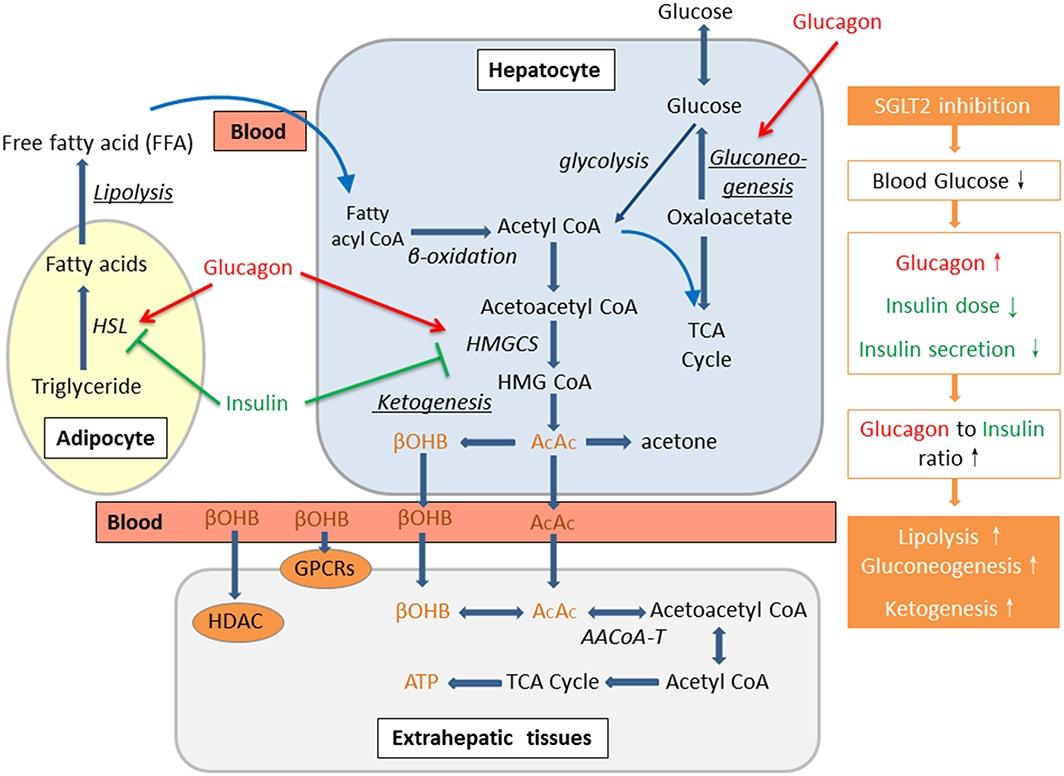
- The metabolism of ketone bodies: effects of SGLT2 inhibition.
- Diabetes/Metabolism Research and Reviews June 30, 2017
- EDKA in a non‐insulin‐dependent setting: triggered by starvation or other precipitants; with the compensation capacity of EGP impaired by lack of substrates or poor liver function, a metabolic shift to lipid utilization occurs at a lower blood glucose concentration.
- International Journal of Endocrinology January 31, 2018
- Mechanisms of Alcoholic Ketoacidosis.
- NEJM October 4, 2017
- Mechanisms of ketacidosis. NEFA, non‐esterified fatty acids.
- Handbook of Diabetes 5e December 31, 2020
References
1. Pathology of Ketoacidosis in Emergency of Diabetic Ketoacidosis and Alcoholic Ketoacidosis: A Retrospective Study. — Koyama K, Anno T, Kimura Y, et al. Journal of Diabetes Research. 2023.
2. Toxigenic and Metabolic Causes of Ketosis and Ketoacidotic Syndromes. — Cartwright MM, Hajja W, Al-Khatib S, et al. Critical Care Clinics. 2012.
3. Non-Diabetic Ketoacidosis: A Case Series and Literature Review. — Bashir B, Fahmy AA, Raza F, Banerjee M. Postgraduate Medical Journal. 2021.
4. Starvation Ketoacidosis on the Acute Medical Take. — Gall AJ, Duncan R, Badshah A. Clinical Medicine. 2020.
5. Starvation Ketoacidosis in Pregnancy. — Frise CJ, Mackillop L, Joash K, Williamson C. European Journal of Obstetrics, Gynecology, and Reproductive Biology. 2013.
6. Starvation in Human Pregnancy: Hypoglycemia, Hypoinsulinemia, and Hyperketonemia. — Felig P, Lynch V. Science. 1970.
7. Post-Bariatric Surgery Starvation Ketoacidosis and Lipase Elevation in the Absence of DKA or Pancreatitis. — Song R, Cao S. The American Journal of Emergency Medicine. 2018.
8. Starvation Ketosis in the Pediatric Emergency Department: A Prospective Estimate of Prevalence. — Millar R, Chiappazzo A, Palmer B. Pediatric Emergency Care. 2022.
9. Euglycemic Diabetic Ketoacidosis Caused by Alcoholic Pancreatitis and Starvation Ketosis. — Han HJ, Cole AE, Verma A. Journal of General Internal Medicine. 2023.
10. Euglycemic Diabetic Ketoacidosis: Etiologies, Evaluation, and Management. — Long B, Lentz S, Koyfman A, Gottlieb M. The American Journal of Emergency Medicine. 2021.
11. Short-Term Starvation With a Near-Fatal Asthma Attack Induced Ketoacidosis in a Nondiabetic Pregnant Woman: A Case Report. — Wei KY, Chang SY, Wang SH, Su HY, Tsai CL. Medicine. 2016.
12. Review Article: Ketoacidosis in the Emergency Department. — Morton A. Emergency Medicine Australasia : EMA. 2020.
13. ASPEN Consensus Recommendations for Refeeding Syndrome. — da Silva JSV, Seres DS, Sabino K, et al. Nutrition in Clinical Practice : Official Publication of the American Society for Parenteral and Enteral Nutrition. 2020.
14. Malnutrition in Adults. — Cederholm T, Bosaeus I. The New England Journal of Medicine. 2024.
15. Eating Disorders. — Treasure J, Duarte TA, Schmidt U. Lancet. 2020.
16. Starvation Ketosis and the Kidney. — Palmer BF, Clegg DJ. American Journal of Nephrology. 2021.
17. Diabetic Ketoacidosis: Evaluation and Treatment. — Veauthier B, Levy-Grau B. American Family Physician. 2024.
18. Electrolyte Disturbances in Patients with Chronic Alcohol-Use Disorder. — Palmer BF, Clegg DJ. The New England Journal of Medicine. 2017.
19. Acid–Base Problems in Diabetic Ketoacidosis. — Kamel KS, Halperin ML. The New England Journal of Medicine. 2015.
20. Short-Term Fasting Is a Mechanism for the Development of Euglycemic Ketoacidosis During Periods of Insulin Deficiency. — Burge MR, Hardy KJ, Schade DS. The Journal of Clinical Endocrinology and Metabolism. 1993.
21. Physiologic Mechanisms in the Development of Starvation Ketosis in Man. — Grey NJ, Karl I, Kipnis DM. Diabetes. 1975.
22. Guidelines and Recommendations for Laboratory Analysis in the Diagnosis and Management of Diabetes Mellitus. — Sacks DB, Arnold M, Bakris GL, et al. Diabetes Care. 2023.
23. Diverging metabolic programmes and behaviours during states of starvation, protein malnutrition, and cachexia. — Olson B, Marks DL, Grossberg AJ. Journal of Cachexia, Sarcopenia and Muscle. 2020.
Figures
More from Deep Dive
Reviewed by Dr. Lucas Mastropaolo. SymptomDx is an educational tool for medical professionals — it does not replace clinical judgment. Verify all clinical data and drug dosages with authoritative sources.